Why America's Biggest Banks Are Betting on This New Network
Sarah Atkinson ·
Listen to this article~4 min
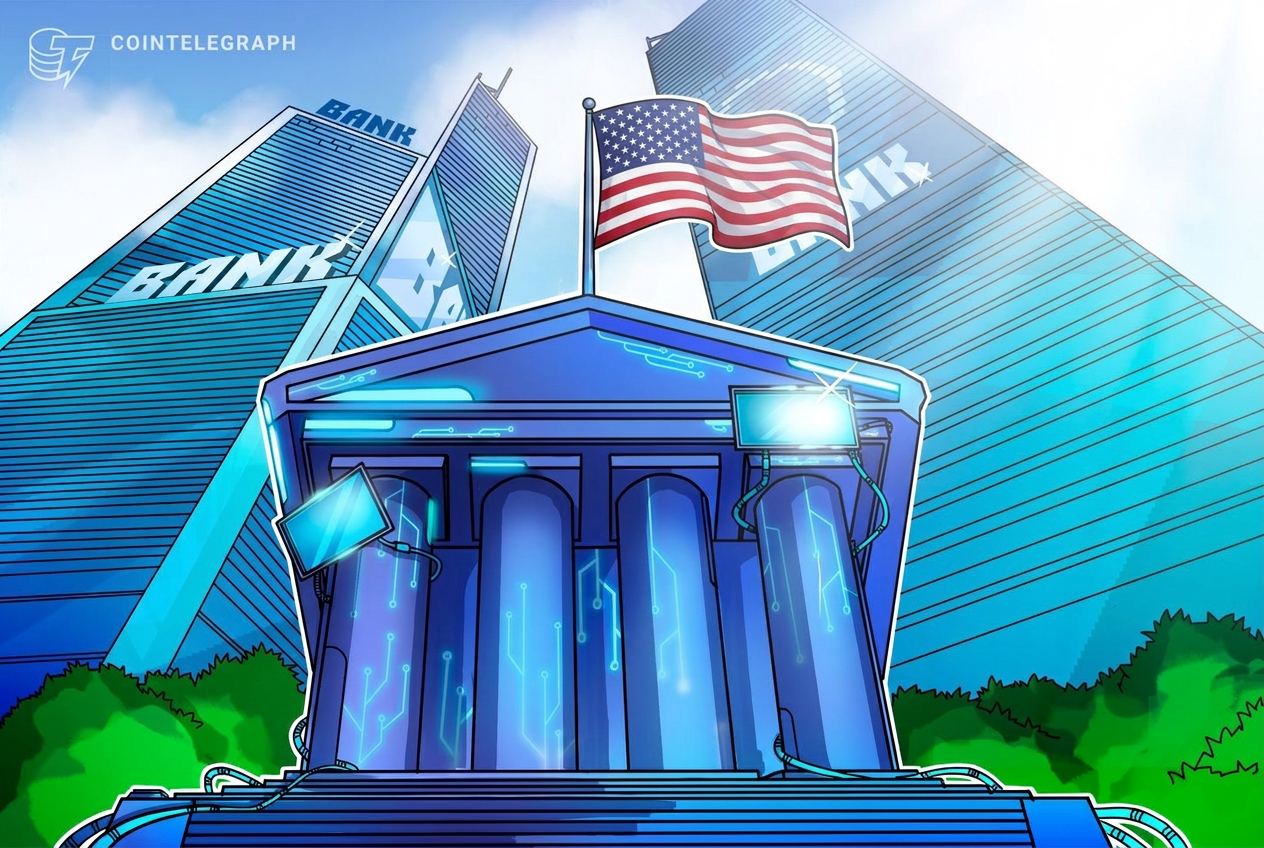
BankChain joins a wave of bank-led networks building shared infrastructure for tokenized deposits and instant onchain payments, signaling a major shift in how money will move.
Let's talk about something happening quietly behind the scenes of your bank's app. It might sound like tech jargon, but it's about to touch every single one of your transactions. A new player called BankChain has just stepped onto the field. It's not alone—it's joining a growing number of bank-led networks. Their mission? To build shared infrastructure for something called tokenized deposits and onchain payments.
Think about that for a second. When you deposit your paycheck, it's just a number in a database. But what if that deposit could become a digital token, moving instantly and securely? That's the world these networks are building, and it's closer than you think.
### The Push for a Shared Financial Highway
Right now, many banks are working on their own versions of this tech. It's like every car company building its own private roads—it doesn't scale, and it's incredibly inefficient. BankChain and similar networks aim to create a shared financial highway. This isn't about cryptocurrency speculation; it's about making the existing financial system faster, cheaper, and more transparent.
Imagine sending money to a friend. Today, it might take a business day or two, and fees can eat into the amount. On a shared blockchain network, that same transfer could settle in seconds for a fraction of the cost. The banks aren't doing this out of pure generosity, of course. They see the writing on the wall. If they don't innovate, newer, nimbler financial tech companies will eat their lunch.
### What Tokenized Deposits Mean for You
So, what's a 'tokenized deposit'? Let's break it down simply. It's a digital representation of the money you have in your bank account. One token equals one dollar in your account. These tokens can be programmed with rules and can move on a blockchain network.
- **Speed:** Transfers that currently take days could happen in real-time.
- **Cost:** Lower fees for wire transfers and international payments.
- **Transparency:** You could track your payment every step of the way, like a package.
- **Automation:** Recurring payments could become seamless and error-free.
The key here is that these are still bank deposits, insured by the FDIC up to $250,000. It's not a volatile crypto asset; it's your familiar dollar, just with a digital superpower.
### The Race to Build the Foundation
As one banking executive recently noted, 'The infrastructure we build now will define financial services for the next generation.' This is a foundational shift. Banks aren't competing to see who has the shiniest app icon anymore. They're competing to build the underlying rails that all money will travel on.
This move towards shared networks signals a major collaboration. Competitors are agreeing on common standards because they know a fragmented system benefits no one. It's a bit like the early days of the internet—different networks had to agree on how to talk to each other for it to become the global web we know today.
The implications stretch far beyond personal banking. Supply chains, trade finance, and corporate treasury operations could see massive efficiency gains. A small business waiting 30 days for an invoice to be paid could get funds the moment the goods are received. The potential to unlock working capital is staggering.
For beginners watching this space, it's a crucial lesson. The most significant changes in finance often aren't the flashy, headline-grabbing stocks or coins. They're the slow, steady upgrades to the plumbing of the system. While everyone's watching the price of Bitcoin, the traditional banks are quietly rebuilding the engine. And that engine will power everything, from your coffee purchase to a multinational corporation's multi-million dollar bond issuance.
The emergence of BankChain is just one signpost. The road to 2027 and beyond is being paved right now, not with asphalt, but with code and consensus. It's a fascinating time to pay attention, even if you're just starting your investing journey. Understanding where the infrastructure is going helps you see the bigger picture—beyond the daily market noise.