How a UAE Crypto Broker Moved $100 Million for Iranian Oil
Sarah Atkinson ·
Listen to this article~3 min
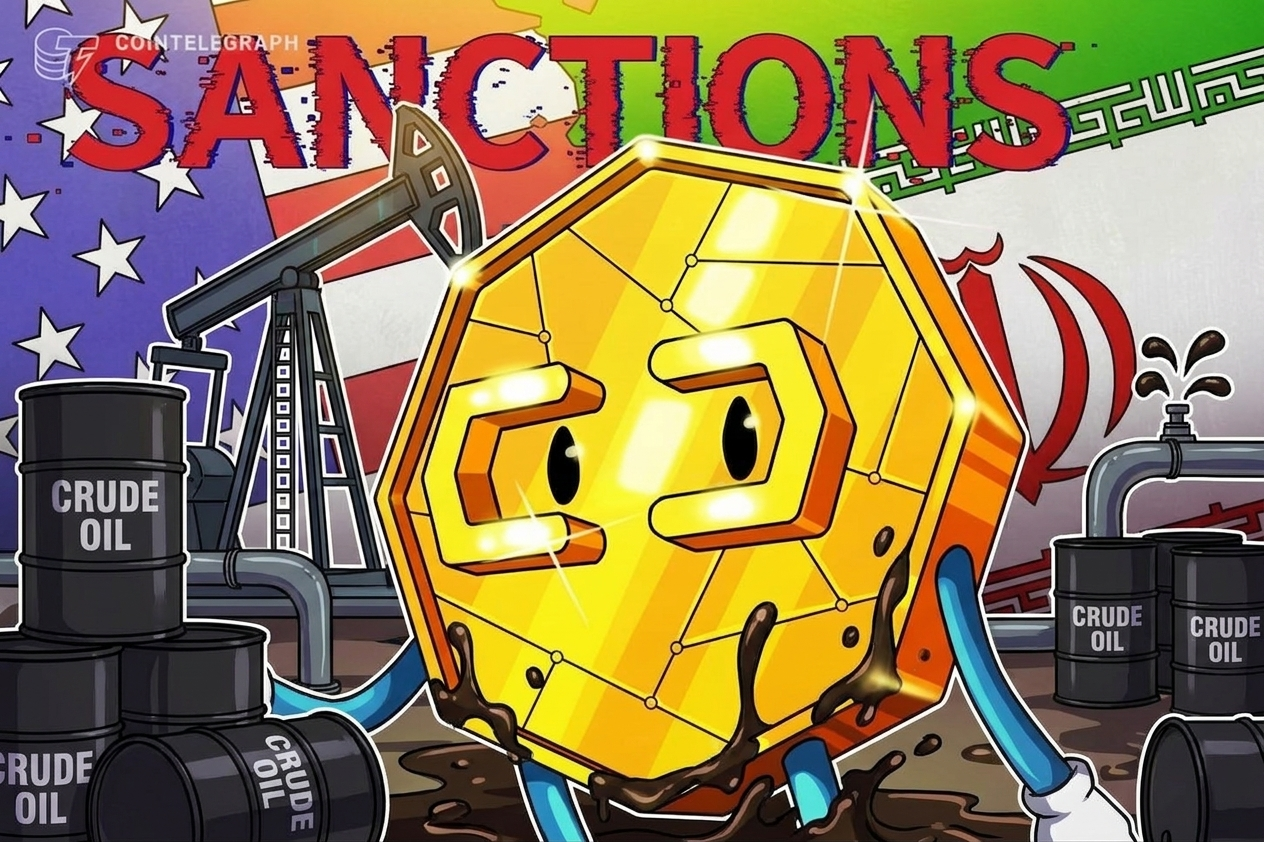
The US Treasury sanctions Iran's crypto sector, alleging a UAE-based broker processed over $100M for oil sales. A major lesson for new investors on regulation and due diligence.
The financial world just got a stark reminder of why crypto regulation is such a hot-button issue. The US Treasury Department made a major move, expanding sanctions directly into Iran's digital asset sector. Their core allegation? A cryptocurrency broker based in the United Arab Emirates processed a staggering sum—over $100 million—specifically tied to Iranian oil sales.
This isn't just another headline. It's a window into the high-stakes game where global finance, energy markets, and emerging technology collide. For beginners in the UAE and beyond looking at investing or trading, it underscores a critical lesson: understanding the regulatory landscape isn't optional. It's fundamental to protecting your capital and making informed decisions.
### What This Sanction Expansion Really Means
Sanctions are economic tools nations use to pressure others. By targeting Iran's "digital asset sector," the US is signaling it will chase illicit finance into the crypto sphere with the same vigor as traditional banking. The allegation points to a sophisticated operation using crypto's borderless nature to circumvent long-standing oil embargoes.
Think of it this way: instead of trying to move physical dollars or wire transfers that get flagged, the parties allegedly used digital tokens. These tokens were then converted, potentially obscuring the original source of the funds linked to Iranian oil. The UAE's position as a global crypto hub makes this case particularly significant for regional investors.
### Key Takeaways for New Investors
If you're starting your journey in stocks or crypto, this news holds several practical lessons. First, the market doesn't exist in a vacuum. Geopolitical events like this can cause volatility and shift regulatory focus overnight.
- **Due Diligence is Non-Negotiable:** Always research the platforms and brokers you use. Are they licensed? Do they comply with international standards? A broker's location matters.
- **Regulation is a Feature, Not a Bug:** For long-term stability, clear rules protect you from fraud and market manipulation. Seeing enforcement actions like this should increase confidence, not fear, in properly regulated avenues.
- **Understand the "Why":** Investments have narratives. This event highlights the ongoing narrative around crypto's use in global trade and compliance. Being aware of these macro-stories helps you assess risk.
As one seasoned compliance officer recently noted, "The blockchain is transparent, but the pathways across it can be deliberately obscured. Enforcement is now about following the digital scent."
### Navigating Your Path Forward
So, where does this leave someone in the UAE or the US looking to build a portfolio? Don't be discouraged. This development actually clarifies the playing field. It shows authorities are actively working to isolate bad actors, which aims to create a safer environment for legitimate participants.
Start with regulated, well-established exchanges for any crypto activity. For stock trading, align yourself with reputable brokers. Diversify your investments across different asset classes to manage risk. Most importantly, commit to continuous learning. The markets evolve, and so should your knowledge. Today's headline about sanctions is tomorrow's case study in your investment education. The goal isn't to avoid the market—it's to navigate it with your eyes wide open, understanding that every asset, from oil to Bitcoin, exists within a complex web of global rules and relationships.