Tether Freezes $61M in USDT: What the Iran Oil Case Means for Crypto
Michael Miller ·
Listen to this article~3 min
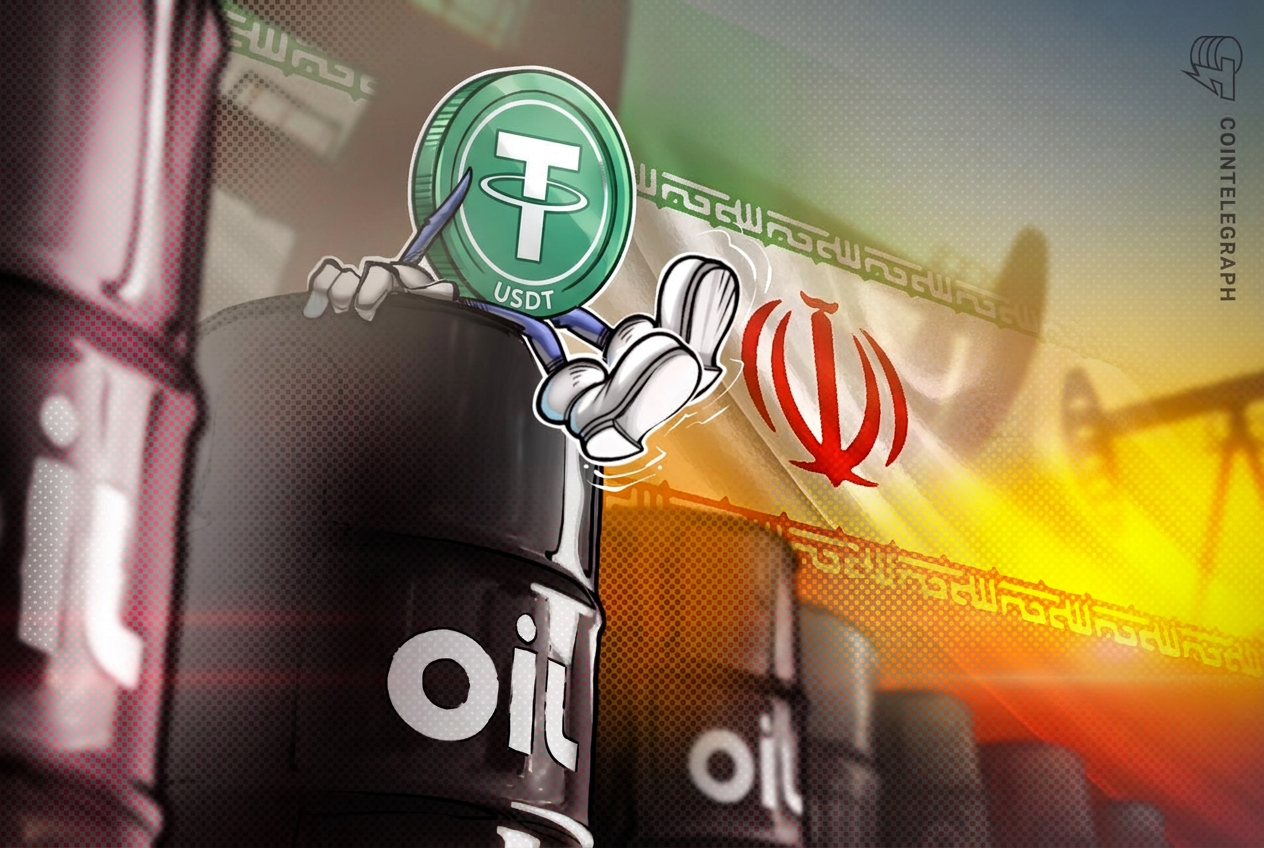
Tether froze $61.19 million in USDT across 10 Tron addresses. Prosecutors say it's tied to Iranian oil sales. Here's what it means for crypto users.
Tether just froze $61.19 million across 10 Tron addresses. Prosecutors say that money came from black-market Iranian oil sales. That's a big deal, and not just for the people involved.
If you're into crypto, you know Tether (USDT) is the stablecoin everyone uses to move money around. It's supposed to be safe, stable, and always worth $1. But when something like this happens, it makes you wonder: how safe is it really?
Let's break it down.
### What Actually Happened?
In 2025, U.S. prosecutors went after $61.19 million in USDT. They claim it was tied to Iranian oil sales that bypassed sanctions. Tether, the company behind USDT, froze the funds across 10 different Tron wallets.
Tron is a blockchain often used for cheap, fast transactions. It's popular in places where people want to move money without a lot of fees. But it's also become a favorite for bad actors.
Tether has done this before. They've frozen millions in USDT linked to scams, hacks, and sanctions. They work with law enforcement to block funds when they suspect illegal activity.
### Why Should You Care?
If you're a regular crypto user, this might feel like someone else's problem. But it's not. Here's why:
- **Centralization risk**: USDT is issued by a company. They can freeze your funds if they think you're doing something wrong. That's not very decentralized, is it?
- **Regulatory pressure**: Governments are cracking down on crypto. Cases like this show they're serious.
- **Market impact**: When big amounts get frozen, it can shake confidence in stablecoins.
### The Bigger Picture
Stablecoins like USDT are a huge part of crypto trading. They're used to buy and sell other coins, and to park money without cashing out to a bank. But they're not without risk.
Tether has faced questions about its reserves and transparency for years. They've been fined by regulators and sued by critics. But they're still the biggest stablecoin by far.
This case shows that Tether is willing to work with authorities. That's good for legitimacy, but it also means they have a lot of power.
### What This Means for Beginners
If you're new to crypto, here's the takeaway:
- **Don't put all your money in one stablecoin**. Spread it around if you can.
- **Understand what you're holding**. USDT is not the same as holding cash in a bank.
- **Stay informed**. Rules and risks change fast in crypto.
### The Bottom Line
The $61 million freeze is a reminder that crypto isn't outside the law. Governments are watching, and companies like Tether are cooperating. That's good for the long-term health of the space, but it also means you need to be careful.
Crypto is still a wild west in many ways. But cases like this show it's growing up. Whether that's good or bad depends on what you want from it.
One thing's for sure: if you're using USDT, you're not completely in control. And that's something every crypto user should think about.