Russia's Crypto Crackdown Could Change How You Trade in 2027
Eleanor Vance ·
Listen to this article~4 min
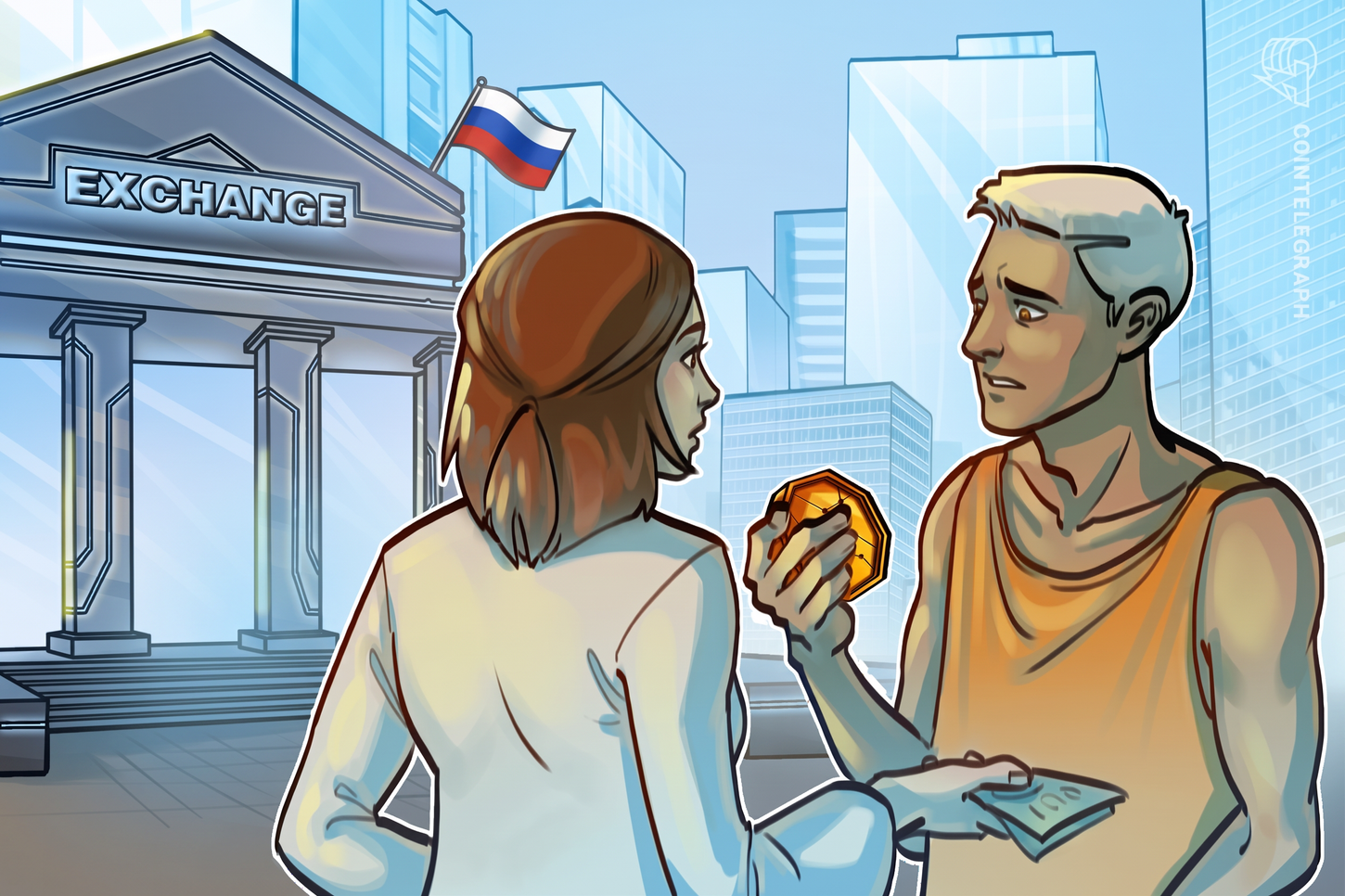
Russia plans to ban direct P2P crypto trades from July 1, 2027, and already restricts transfers to self-custody wallets. Here's what that means for traders worldwide.
### The Clock Is Ticking on Russia's P2P Crypto Scene
Imagine waking up one morning and finding out that the way you've been trading crypto is about to become illegal. That's the reality facing Russian crypto users. Starting July 1, 2027, Russia plans to ban direct peer-to-peer (P2P) cryptocurrency trades. It's a move that's already sending ripples through the digital asset world, and if you're involved in crypto—even outside Russia—it's worth paying attention.
But here's the thing: this isn't just about Russia. It's a signal of how governments are tightening their grip on the wild west of digital finance. So whether you're a beginner in the UAE looking to diversify, or a seasoned trader in the US, understanding what's happening can help you stay ahead of the curve.
### What Exactly Is Changing?
The ban targets direct P2P trades—transactions where two individuals exchange crypto without a centralized exchange. Think of it like selling a used car to your neighbor instead of going through a dealership. The government can't easily track or tax it, and that's precisely why Russia wants to shut it down.
On top of that, separate rules already prohibit transfers from digital accounts to self-custody wallets. In plain English: if you hold crypto on an exchange, you can't move it to a personal wallet you control. That's a big deal because self-custody is a core principle for many crypto enthusiasts—it's like keeping your cash in your own safe rather than a bank.
### Why Russia Is Doing This
Russia's motivations are a mix of control, taxation, and geopolitics. By banning P2P trades and self-custody transfers, the government can monitor and tax crypto transactions more effectively. It also aligns with a broader global trend: regulators everywhere are trying to bring crypto into the traditional financial fold.
For the average person, this means less freedom but potentially more security. When trades happen on regulated exchanges, there's recourse if something goes wrong. But it also means giving up privacy and control—a trade-off that's at the heart of the crypto debate.
### What This Means for You
If you're in the UAE or the US, you might think this doesn't affect you. But crypto is a global market. When a major player like Russia makes a move, it can influence prices, regulations, and market sentiment worldwide.
> "Regulation is coming, whether we like it or not. The smartest investors are the ones who adapt early." — Eleanor Vance, Senior Music Historian & Archival Specialist, Abbeville Musique
Here are a few things to keep in mind:
- **Stay informed:** Follow regulatory news in your own country. The US and UAE are both developing their own crypto frameworks.
- **Diversify:** Don't put all your eggs in one basket. Consider traditional stocks alongside crypto.
- **Use regulated exchanges:** They offer more protection and are less likely to be targeted by bans.
- **Understand self-custody risks:** If you hold your own keys, you're your own bank—great for freedom, but you need to be security-savvy.
### The Bigger Picture
Russia's move is just one piece of a larger puzzle. As crypto matures, expect more rules, more oversight, and more clarity. For beginners, that's actually good news—it makes the space safer and more legitimate. For veterans, it's a reminder that the days of complete anonymity are fading.
The key is to stay flexible. Learn the rules, understand your options, and don't get caught off guard. Whether you're trading in Dubai or Denver, the crypto landscape is shifting. And the best time to prepare was yesterday. The next best time is now.