Revolut Just Revealed a Breach That Could Affect You
Greta Müller ·
Listen to this article~4 min
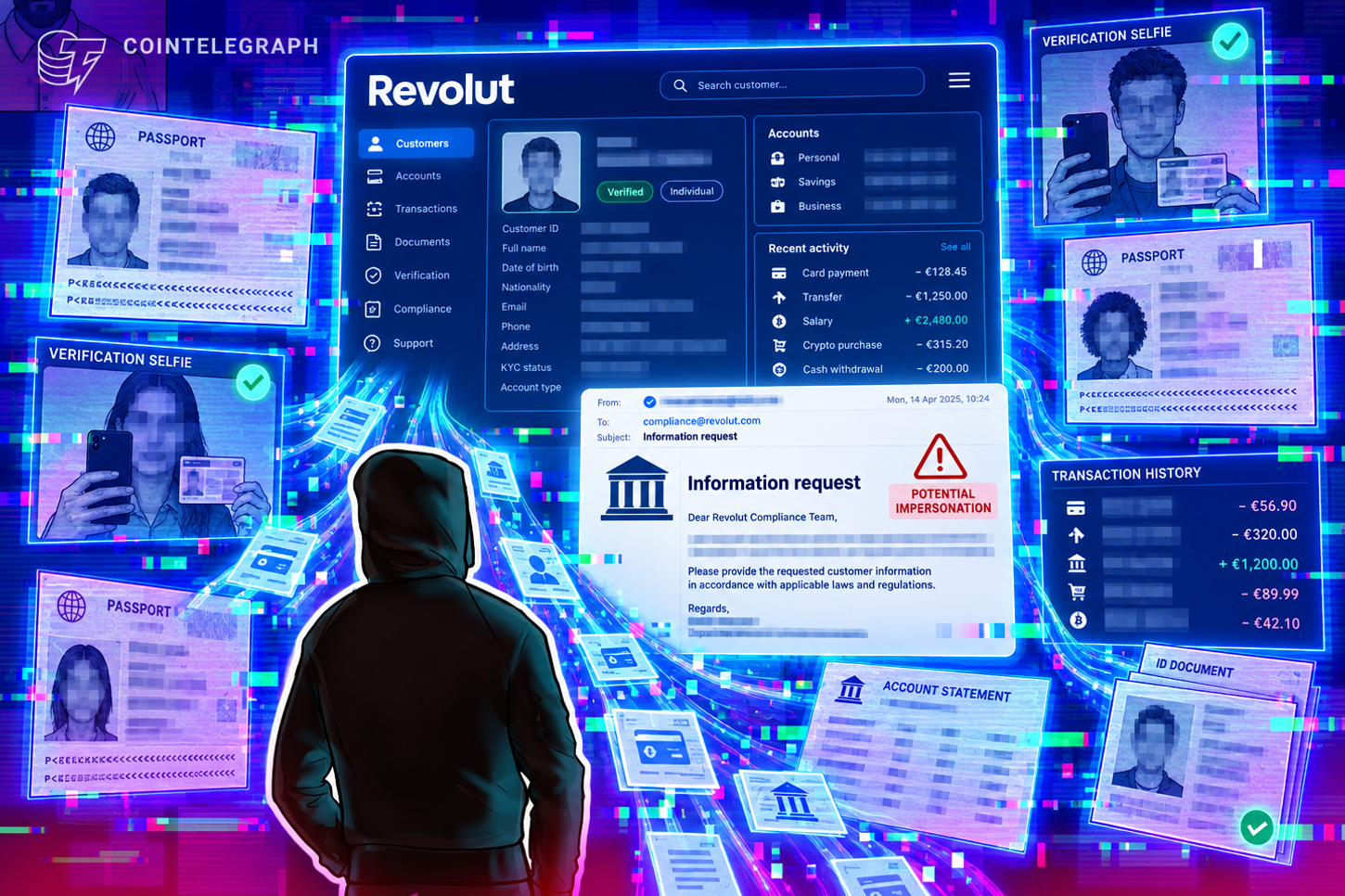
Revolut exposed customer passports, selfies, and transaction histories after a fraudster used a fake government email. Here's what happened and how to protect yourself.
### What Actually Happened at Revolut
Imagine getting an email that looks like it's from a government agency. Official letterhead, proper tone, maybe even a reference number. You'd probably open it, right? That's exactly what happened to some Revolut customers. A fraudster used a government agency domain to trick the company into handing over sensitive data.
We're talking passports, selfies, and financial transaction histories. The kind of stuff you'd never want a stranger to see. And it wasn't just one or two people—it was some customers, which is vague enough to be worrying.
So how did this happen? Revolut says the fraudster impersonated a government agency convincingly enough to get past their verification. That's a big deal because it means even a fintech giant with all its security measures can be fooled by a well-crafted lie.
### Why This Matters for Your Investments
If you're into investing, stock trading, or crypto, you might think this is just a Revolut problem. But it's not. It's a reminder that your personal data is only as safe as the weakest link in the chain—and sometimes that link is a human being who gets tricked.
Think about it: your passport details and selfies are often used for identity verification. If someone gets their hands on those, they could potentially open accounts in your name, access your funds, or worse. And financial transaction histories? That's a roadmap of your money habits, which is gold for scammers.
> "Security is not a product, but a process." — Bruce Schneier
That quote hits hard here. Revolut might have great tech, but if someone can fake a government email and get through, the process has holes.
### How to Protect Yourself Right Now
You don't need to be a cybersecurity expert to keep your data safer. A few simple habits can make a big difference.
- **Enable two-factor authentication everywhere.** Yes, it's a hassle. Do it anyway. Use an authenticator app instead of SMS if you can.
- **Be skeptical of urgent requests.** If someone claims to be from the government or your bank and asks for personal info, hang up and call the official number.
- **Monitor your accounts regularly.** Check your bank and investment accounts at least once a week for anything weird.
- **Use unique passwords.** A password manager can help. Never reuse passwords across financial apps.
- **Freeze your credit.** In the US, you can freeze your credit with all three major bureaus for free. It stops new accounts from being opened in your name.
### What Revolut Is Doing About It
Revolut says they've notified affected customers and are working with authorities. But let's be real—once your data is out there, it's out there. The best they can do is damage control.
If you're a Revolut customer, keep an eye on your email for any communication from them. And if you get a suspicious email that looks like it's from Revolut, don't click any links. Go directly to the app or their official website.
### The Bigger Picture for Investors
This incident is a wake-up call for anyone investing in fintech or crypto. These platforms are convenient, but they're also targets. When you sign up, you're trusting them with your most sensitive information.
That doesn't mean you should avoid them altogether. It means you should do your homework. Check their security track record. See if they've had breaches before. And always, always use the security features they offer.
At the end of the day, your data is your responsibility. Companies can do their part, but you're the first line of defense. Stay sharp, stay skeptical, and keep your digital life locked down.
So, what's the takeaway? Even the big guys can get fooled. Don't let your guard down just because a company seems trustworthy. Trust, but verify—and then verify again.