Polymarket's $21B Valuation: What Trump Jr.'s $1B Bet Means for You
Guido Chen ·
Listen to this article~4 min
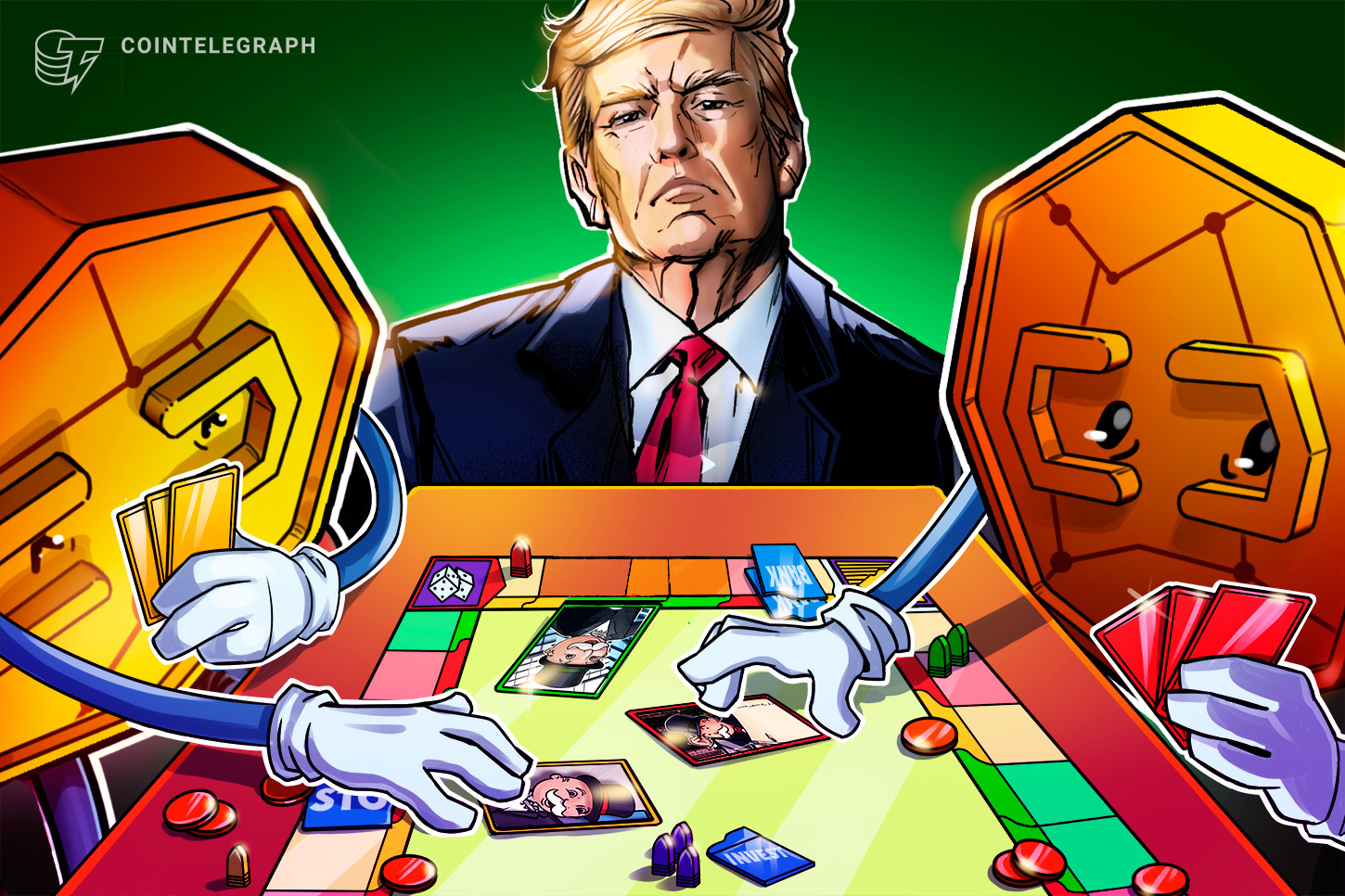
Donald Trump Jr.'s firm leads a $1B round into Polymarket, valuing it at $21B. Here's what that means for beginners in investing, stocks, and crypto.
Donald Trump Jr. is making a big bet on prediction markets. According to reports, 1789 Capital, a firm linked to the former president's son, is leading a $1 billion investment round into Polymarket. That would value the platform at $21 billion. Just shy of rival Kalshi's $22 billion valuation.
If you're new to investing, stock trading, or crypto, this news might feel distant. But it's actually a signal you shouldn't ignore. Prediction markets are becoming a serious asset class. And the money flowing in is real.
### What Exactly Is Polymarket?
Polymarket is a platform where people trade on the outcomes of future events. Think elections, sports, economic data, even weather. You buy shares representing "Yes" or "No" on a question like "Will inflation drop below 3% this year?" The price of those shares reflects the crowd's probability estimate.
It's not a traditional stock exchange. But it operates on similar principles: supply, demand, and information. The more traders believe an event will happen, the higher the "Yes" share price goes.
### Why This $1 Billion Round Matters
A $21 billion valuation puts Polymarket in rare air. For context, that's roughly the size of some mid-cap companies on the S&P 500. And it's happening in a space that barely existed a few years ago.
Here's why that's important for beginners:
- **Validation from big money:** When firms like 1789 Capital pour in $1 billion, they're not gambling. They've done the research. They see long-term value.
- **Competition heats up:** Kalshi, Polymarket's main rival, is valued at $22 billion. This rivalry will likely lead to better products, lower fees, and more user-friendly interfaces.
- **Regulatory clarity on the horizon:** As these platforms grow, regulators will pay closer attention. That could be good news for everyday investors who want clear rules.
### How You Can Get Started (Without Betting the Farm)
You don't need $1 billion to participate. But you do need a plan. Here's a simple approach for beginners in the UAE and beyond:
1. **Learn the basics first.** Prediction markets are different from stocks or crypto. Spend a week reading about how they work. Understand that you're trading probabilities, not certainties.
2. **Start small.** Put in $50 or $100. Treat it as tuition. The goal isn't to get rich quick. It's to understand the mechanics.
3. **Diversify your bets.** Don't put all your money on one event. Spread it across different categories: politics, economics, sports.
4. **Use limit orders.** Just like in stock trading, don't chase prices. Set the price you're willing to pay and wait.
5. **Keep records.** Track every trade. Review what worked and what didn't. This is how you improve.
> "The crowd is often smarter than the expert. Prediction markets harness that collective wisdom." — Anonymous trader
### The Crypto Connection
Polymarket runs on crypto rails. It uses blockchain technology to settle trades. That means you'll need a crypto wallet and some knowledge of how to move digital assets. If you're already into crypto, you're ahead of the curve. If not, this is a good reason to learn.
But remember: crypto is volatile. The value of your wallet can swing wildly. Never invest more than you can afford to lose.
### What's Next for Prediction Markets?
If the reported deal goes through, expect more mainstream attention. More platforms will launch. More institutional money will flow in. And more everyday investors will dip their toes.
That's both exciting and risky. Exciting because early adopters often reap the biggest rewards. Risky because where there's money, there's also fraud and hype.
### Final Thoughts
The Polymarket news isn't just about Trump Jr. or a big number. It's a sign that prediction markets are growing up. For beginners in the UAE and the U.S., it's a chance to learn about a new asset class early.
Start small. Stay curious. And never stop learning. That's how you build wealth over time—whether you're trading stocks, crypto, or the outcome of the next election.