North Korea's Sneaky Job Interview Trick to Infiltrate US Companies
Eleanor Vance ·
Listen to this article~4 min
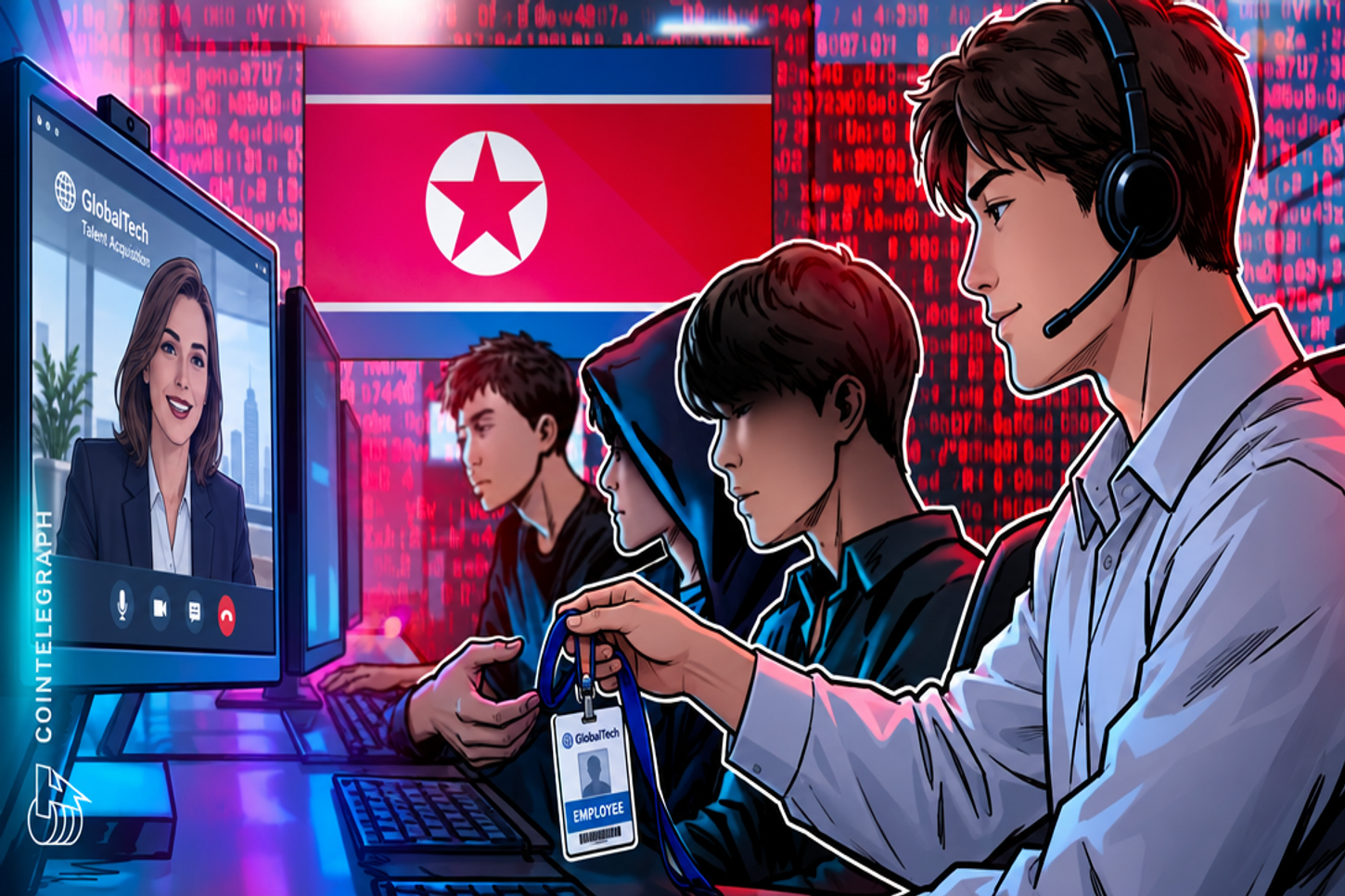
North Korea is using third-country IT workers to pass job interviews at US companies, then replacing them with operatives. Learn how this scheme works and what companies can do to protect themselves.
You might think that landing a tech job at a US company requires skill, experience, and a bit of luck. But according to a recent report, North Korea has found a backdoor: using foreign IT workers to ace the interview, then quietly slipping in their own operatives. It's a scheme that's raising eyebrows and security concerns across the industry.
### How the Scheme Works
The playbook is simple but effective. North Korea recruits IT professionals from third countries—places like China, Russia, or Southeast Asia—to apply for remote tech positions at US firms. These workers are often unaware of the bigger picture. They nail the interview with their legitimate skills, get hired, and then, once the job is secured, they hand over the reins to North Korean operatives. The operatives then take over the role, often without the company ever realizing the switch.
Why go through all this trouble? Because North Korean IT workers face heavy sanctions and are largely barred from working with US companies. By using a front, they can earn hard currency for the regime, which is reportedly used to fund weapons programs. It's a lucrative gig: these operatives can earn salaries upwards of $100,000 per year, a fortune compared to what they'd make at home.
### Why Companies Are Vulnerable
Remote work has exploded in recent years, and with it, the challenge of verifying who's actually on the other end of the keyboard. Many companies rely on video interviews and background checks, but these can be spoofed. Third-country workers might have clean records and convincing personas, making it hard to spot the bait-and-switch.
Moreover, the tech industry's relentless demand for talent means hiring managers sometimes rush the process. They might overlook red flags, like a candidate who's overqualified but willing to take a pay cut, or one who insists on unusual payment methods. These are classic signs of a scam, but in the rush to fill seats, they can slip through.
### The Risks Go Beyond Money
It's not just about lost revenue or stolen salaries. Once inside, North Korean operatives can access sensitive data, intellectual property, and even critical infrastructure. They could plant malware, steal trade secrets, or disrupt operations. For defense contractors or companies working on advanced technology, the stakes are enormous.
> "This is a national security issue, not just a corporate one," said one cybersecurity expert. "Every compromised company is a potential gateway to larger attacks."
### What Can Be Done?
Companies need to step up their vetting game. That means more rigorous background checks, in-person interviews when possible, and continuous monitoring of employee activity. But it's a delicate balance—you don't want to create a surveillance state within your own workforce.
Some firms are turning to specialized screening services that can detect inconsistencies in a candidate's story. Others are using AI to flag suspicious behavior, like logins from unexpected locations or odd working hours. It's an arms race, and right now, the bad guys might be winning.
- **Verify identities thoroughly:** Use video calls and ask for government-issued ID.
- **Check references:** Don't just take them at face value; actually call former employers.
- **Monitor access:** Limit sensitive data to those who truly need it.
- **Educate your team:** Train HR and managers to spot red flags.
### The Bottom Line
North Korea's infiltration tactic is a wake-up call for US businesses. It shows how creative bad actors can be when they're desperate for cash and resources. As remote work continues to grow, so will the opportunities for exploitation. Companies need to stay vigilant, or they might find themselves unknowingly employing the wrong person.
For now, the best defense is awareness. Share this story with your team, review your hiring practices, and don't assume that a polished interview means you're safe. After all, in the world of espionage, the most dangerous threats are often the ones you never see coming.