Netanyahu's Blockchain Plan: A Loophole for Sanctions?
Amanda Brown ·
Listen to this article~3 min
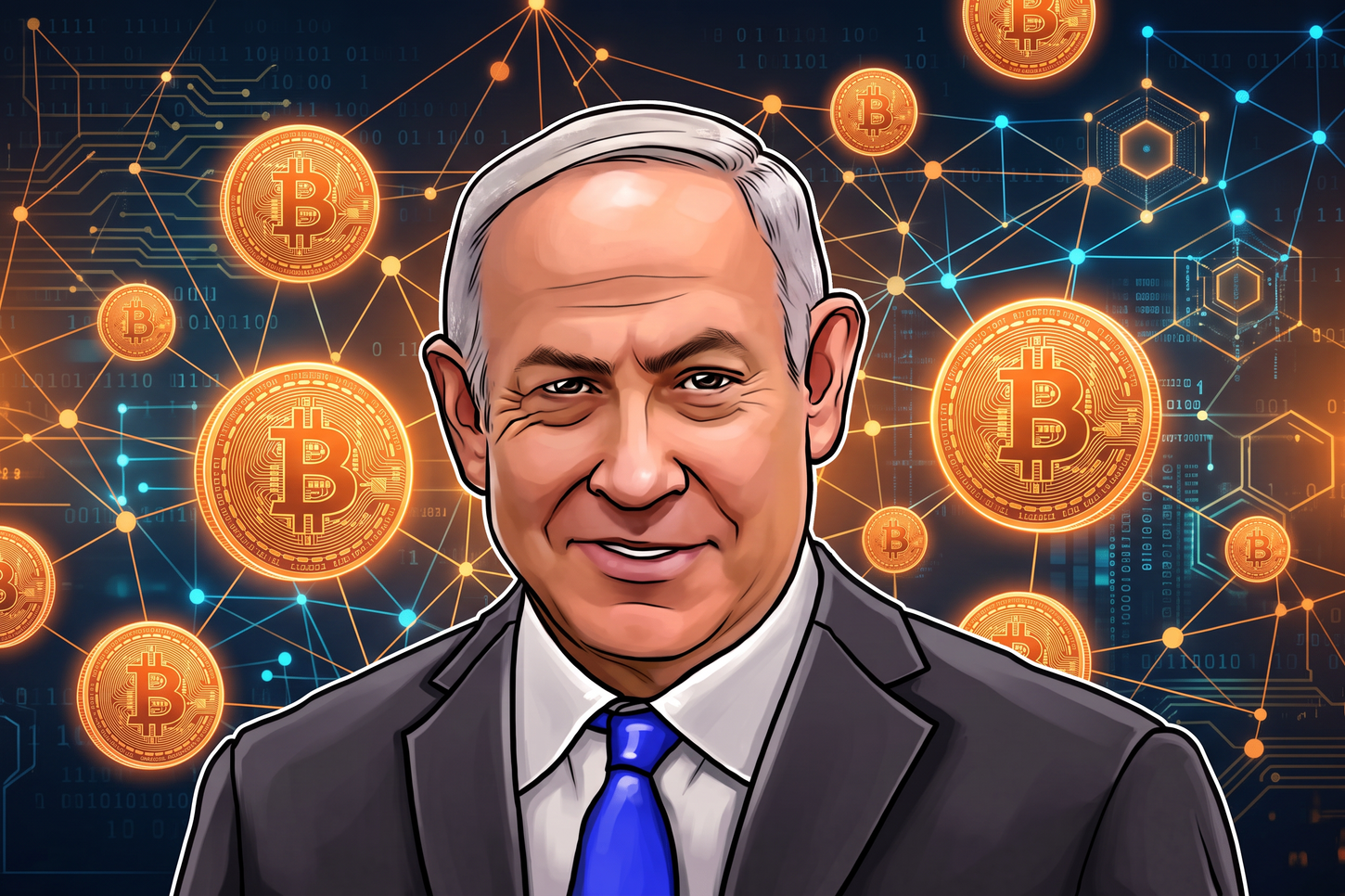
Netanyahu suggests Israel could use blockchain to bypass sanctions, sparking debate with the central bank. What does this mean for crypto investors?
Imagine a world where a country could sidestep international sanctions using blockchain and crypto. That's exactly what Israeli Prime Minister Benjamin Netanyahu suggested ahead of elections, and it's raising eyebrows—including those of the country's central banker.
### The Proposal
Netanyahu floated the idea that Israel could use blockchain technology to bypass potential financial sanctions. The timing is key: with elections looming, this proposal seems aimed at showing Israel's technological prowess and resilience against international pressure. But not everyone is on board.
Opponents argue that relying on crypto could undermine Israel's financial stability and international standing. The central bank has also expressed concerns, highlighting the risks of such a move.
### Why Blockchain?
Blockchain, the technology behind cryptocurrencies like Bitcoin, offers decentralization and anonymity. For a country facing sanctions, this could theoretically provide a way to conduct financial transactions without traditional banking channels. But it's not that simple.
- **Regulatory Hurdles:** International bodies like the FATF have strict rules on crypto, and bypassing them could lead to even tougher sanctions.
- **Volatility:** Cryptocurrencies are notoriously volatile, making them risky for national reserves.
- **Infrastructure:** Building a national blockchain infrastructure is a massive undertaking.
> "Blockchain is not a magic wand for sanctions relief," says a financial analyst. "It's a tool, but it comes with its own set of problems."
### The Central Bank's Pushback
The Bank of Israel has been cautious about crypto, focusing on regulation and stability. Governor Amir Yaron has previously warned about the risks of cryptocurrencies to financial stability. This proposal puts the central bank in a tough spot—caught between political ambition and economic prudence.
### What This Means for Investors
For those in the US watching this unfold, it's a reminder of how crypto is increasingly intertwined with geopolitics. If Israel were to adopt blockchain for sanctions evasion, it could set a precedent for other nations. That might lead to more regulatory scrutiny globally, affecting crypto markets.
- **Stay informed:** Keep an eye on regulatory developments in the US and abroad.
- **Diversify:** Don't put all your eggs in one basket—crypto is just one asset class.
- **Understand the risks:** Geopolitical events can cause wild swings in crypto prices.
### The Bottom Line
Netanyahu's proposal is bold, but it's far from a done deal. It faces opposition at home and skepticism abroad. For now, it's a signal that blockchain is moving from the fringes to the political stage. And that's something every investor should pay attention to.
Whether you're in the UAE or the US, the intersection of crypto and politics is becoming impossible to ignore. So, keep your eyes open and your portfolio diversified. The future of finance might be decentralized, but the road there is anything but smooth.