The IRS Is Quietly Rethinking How It Punishes Crypto Tax Mistakes
Amanda Jones ·
Listen to this article~3 min
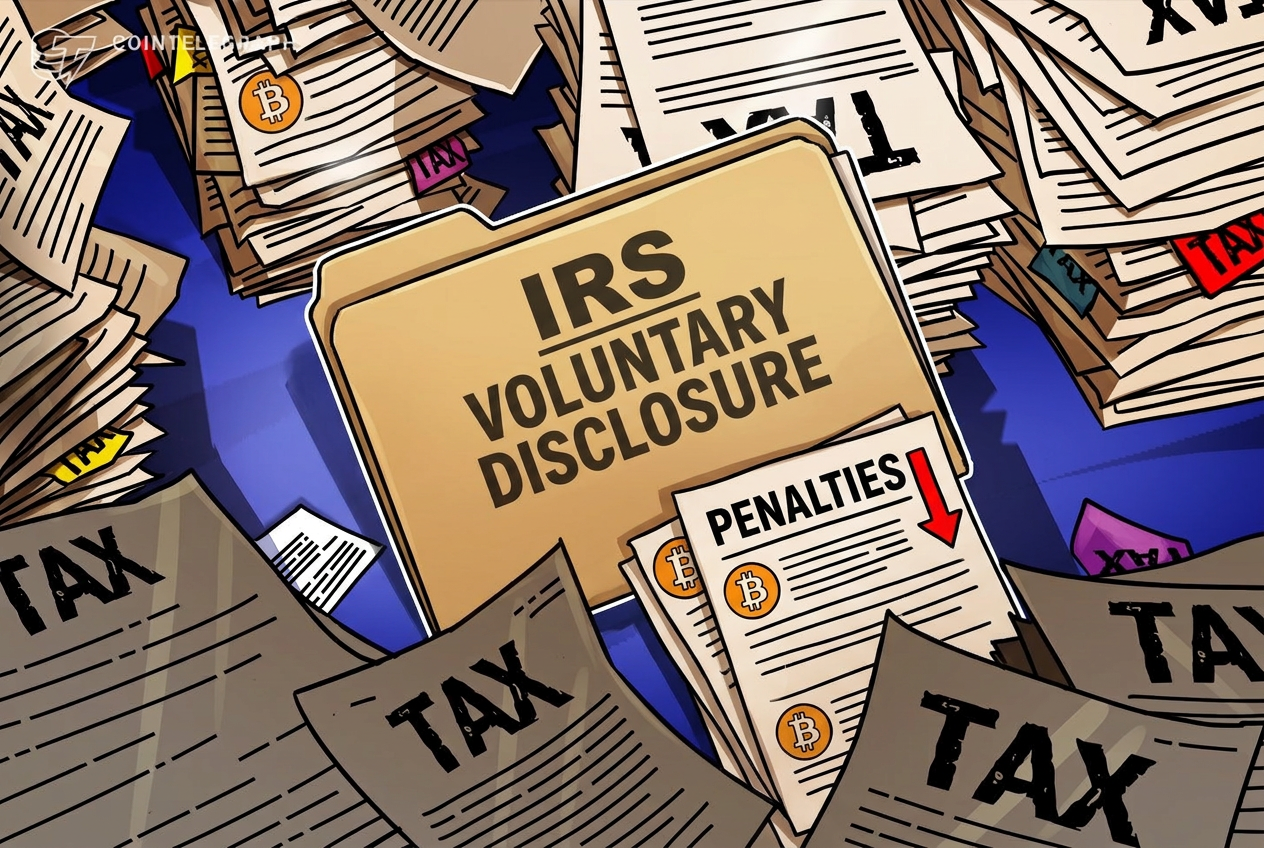
The IRS is planning a major overhaul to lower penalties for voluntary tax disclosure, including crypto. Here's what it means for you.
If you've ever worried about a crypto tax slip-up, you're not alone. The IRS knows it, too. And now they're planning a major overhaul that could make coming forward a lot less painful.
### What's Actually Changing
The US tax agency is targeting faster resolutions and more flexible payment options for taxpayers who voluntarily disclose past tax violations. That's a big deal, especially for crypto investors who've been navigating murky rules for years. Under the planned program overhaul, the IRS wants to lower penalties for those who step up before getting caught.
Think of it like this: if you realize you forgot to report some gains, you'd rather fix it now than wait for a letter. The IRS is essentially saying, "We'll make it easier if you do the right thing." That's a shift from the usual fear-based approach.
### Why Crypto Investors Should Pay Attention
Crypto has been a wild west for taxes. Between 2017 and 2023, the IRS sent out thousands of letters to crypto holders, reminding them to report. But many people were genuinely confused. The rules kept changing, and the reporting forms were a mess.
Now, with this overhaul, the IRS seems to acknowledge that. They're not just going after big fish anymore; they're offering a path for regular folks to clean up their records without losing sleep or their savings.
- **Faster resolutions:** No more dragging out audits for years. The goal is to wrap things up quickly.
- **Flexible payment plans:** If you owe back taxes, you might be able to pay in installments that fit your budget.
- **Lower penalties:** Voluntary disclosure could mean smaller fines, especially if you come forward before the IRS finds you.
### The Bigger Picture
This isn't just about crypto. It's about trust. The IRS wants to encourage compliance, and they're realizing that harsh penalties might scare people away from disclosing at all. By making the process less intimidating, they hope more taxpayers will voluntarily come forward.
Of course, the details matter. The program is still in the planning stages, and we don't know exactly how low the penalties will go. But the direction is clear: the IRS is softening its stance on voluntary disclosure.
> "The IRS is essentially saying, 'We'll make it easier if you do the right thing.'"
### What This Means for You
If you've been putting off fixing a tax mistake, this could be your window. But don't wait too long. The IRS hasn't announced a start date yet, and once the program launches, there's no telling how long the friendlier terms will last.
In the meantime, keep good records. If you traded crypto, report it. And if you're unsure, talk to a tax pro. The last thing you want is to be the example they make when the hammer comes down.
Bottom line: the IRS is finally acknowledging that crypto taxes are complicated. And they're offering a hand instead of a slap. That's a change worth watching.