Illinois's Crypto Tax Faces a Powerful Constitutional Challenge
Jennifer Smith ·
Listen to this article~4 min
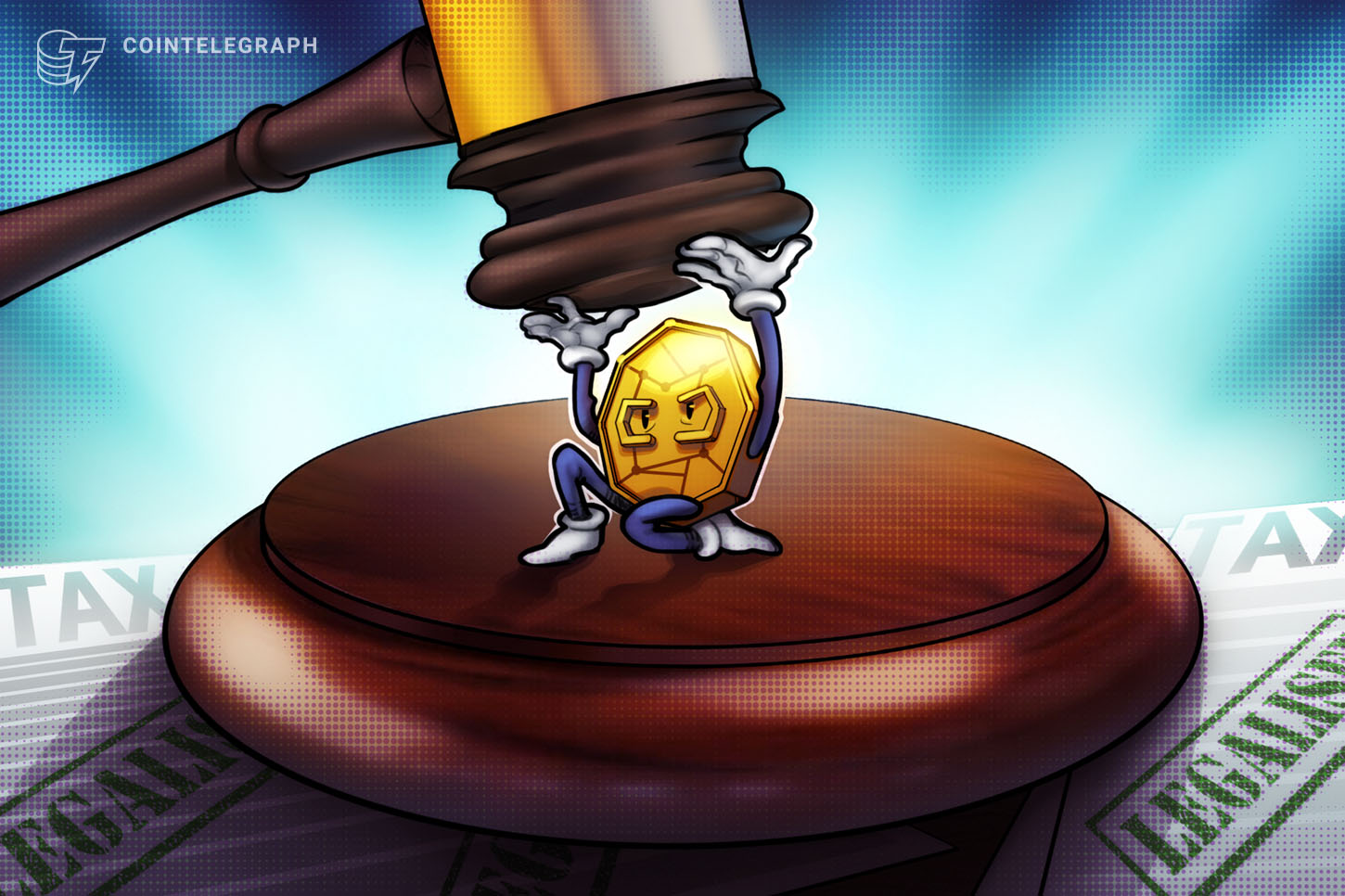
Two crypto advocacy groups have sued Illinois, challenging its new 0.2% digital asset tax on constitutional grounds. This follows a similar July lawsuit and could set a major precedent for state-level crypto regulation across the US.
Here's something that just might change the game for crypto investors in the US. You know that feeling when a new tax rule lands, and it just doesn't sit right? That's exactly what's happening in Illinois right now, and it's getting serious. Two major digital asset advocacy groups have just stepped into the ring, filing a lawsuit that could have ripple effects far beyond state lines.
They're taking direct aim at Illinois's new 0.2% tax on digital asset exchanges. But this isn't just about the money—though a $2 tax on every $1,000 traded adds up. It's about the principle. The groups are arguing this tax violates constitutional protections and due process. Think of it like a property tax being applied to something that doesn't quite fit the definition of property. It gets messy, fast.
### The Core of the Legal Argument
So, what's the big deal with this particular tax? The lawsuit claims it's unfairly discriminatory. It singles out digital asset transactions in a way that other financial transactions, like trading stocks or bonds, aren't touched. That's a classic equal protection argument. They're saying, "If you're going to tax financial activity, you have to do it fairly across the board."
The due process angle is just as critical. It questions whether Illinois even has the proper authority to tax these often borderless, digital transactions. When you buy crypto from someone halfway across the country, whose rules apply? It's a fundamental question that regulators are still wrestling with nationwide.
This isn't the first shot fired, either. Back in July, another heavyweight group, The Digital Chamber, filed a nearly identical suit. Having multiple groups challenge the same law isn't a coincidence. It signals a coordinated, well-funded effort to set a legal precedent. They're not just fighting for Illinois; they're fighting for a framework that could influence other states thinking of similar taxes.
### Why This Matters for Everyday Investors
You might be sitting there thinking, "I don't live in Illinois, so why should I care?" Here's the thing: states watch each other. A lot. If Illinois gets away with this 0.2% levy, what's stopping your state from proposing a 0.5% tax next year? This lawsuit is a firewall. Its outcome could either embolden other state legislatures or send them back to the drawing board.
Let's break down what a tax like this actually means for your portfolio:
- It's a direct cost on every transaction, reducing your overall return.
- It complicates record-keeping, especially for frequent traders.
- It creates a patchwork of state rules, making compliance a nightmare for national platforms.
As one legal expert familiar with the case put it, "This is less about the immediate revenue and more about who gets to write the rules for the next generation of finance."
### The Bigger Picture for Crypto Regulation
This legal battle is a single front in a much larger war over how digital assets are governed. We're in a weird phase where innovation has sprinted ahead of regulation. Lawsuits like this one are how the boundaries get tested and defined. It's a slow, grinding process, but every ruling adds another piece to the puzzle.
For professionals and beginners alike, the key takeaway is vigilance. Policy is being shaped in real-time, in courtrooms and statehouses. Staying informed isn't just about market trends anymore; it's about regulatory trends. The rules of the road are being laid down right now, and this case in Illinois is a major pothole—or a smooth patch—being created.
The final decision here won't come overnight. Legal challenges move at their own deliberate pace. But the very act of filing sends a powerful message to policymakers everywhere: the crypto industry is willing to fight, and it's doing so on the most foundational legal grounds available. That alone makes this a story worth watching closely.