FinCEN's $13B Crypto Scam Shock: What US Investors Must Know
Jeroen Bos ·
Listen to this article~3 min
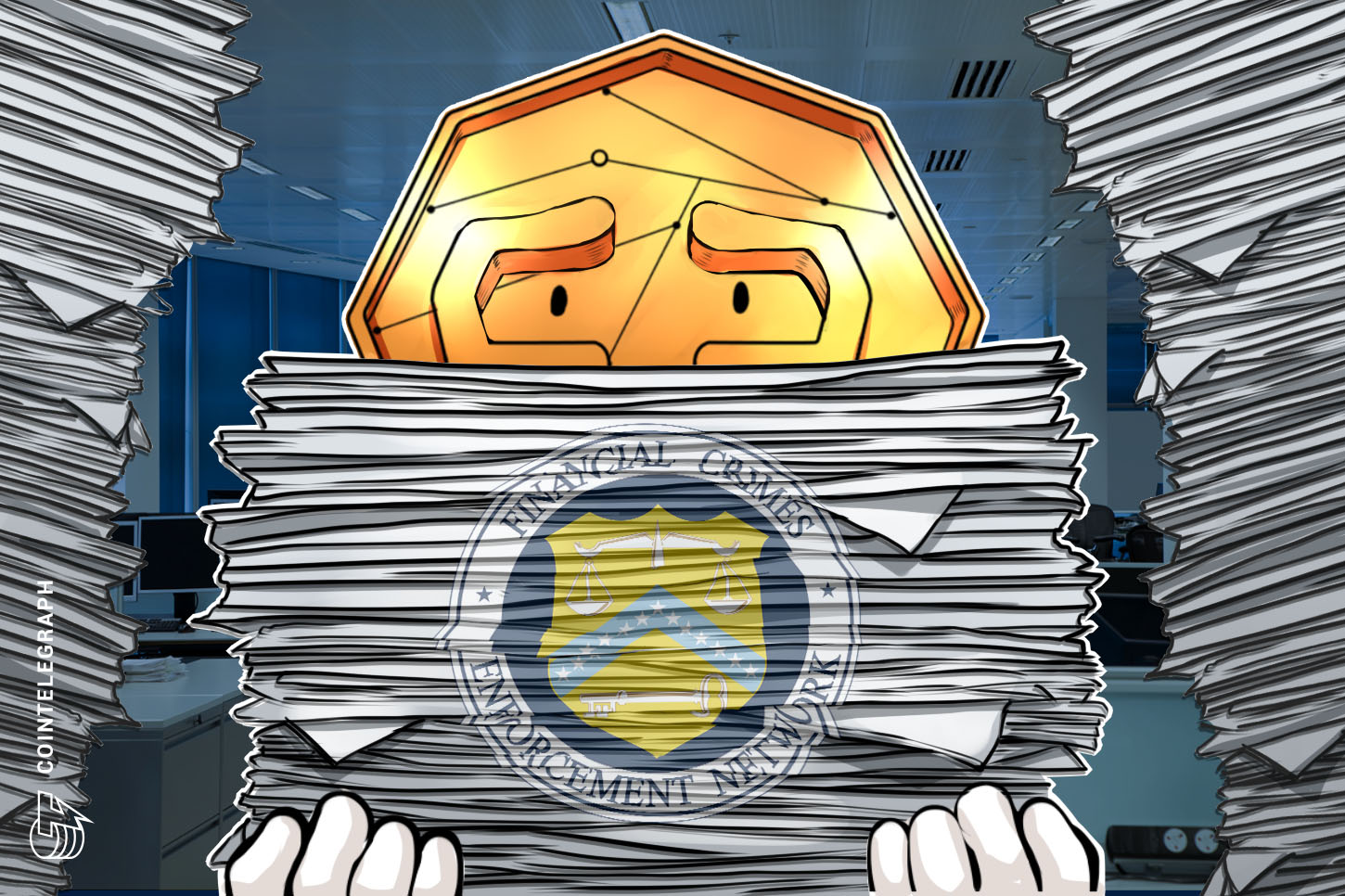
FinCEN ties $13B in crypto scams to Southeast Asian crime rings. Learn how to protect your investments and spot red flags before it's too late.
When you think of crypto scams, you might picture a lone hacker in a basement. But according to a recent FinCEN report, the reality is far more organized—and far more expensive. The agency has tied a staggering $13 billion in crypto scams to non-US operations, specifically "transnational criminal organizations" based in compounds in Southeast Asia. If you're investing in crypto or even just curious about it, this news matters. It's not just about losing money; it's about understanding the global forces that could affect your portfolio.
### The $13 Billion Wake-Up Call
FinCEN's findings reveal that these criminal groups aren't amateurs. They operate like businesses, with compounds that house hundreds of workers, many of whom are trafficked and forced to run scams. The targets? Mostly US residents. So if you've ever received a suspicious message about a crypto investment opportunity, you're not alone. These operations are sophisticated, and they're designed to part you from your hard-earned money.
But why crypto? Because it's fast, often irreversible, and crosses borders easily. That makes it a perfect tool for scammers. And with the rise of decentralized finance (DeFi) and meme coins, there are more opportunities than ever for bad actors to exploit.
### How to Spot a Crypto Scam Before It's Too Late
So how do you protect yourself? First, be skeptical of anything that promises guaranteed returns. Crypto is volatile; no legitimate investment can promise you'll double your money overnight. Second, watch out for unsolicited messages on social media or dating apps. Scammers often build trust over weeks before introducing a "can't-miss" opportunity.
Here are a few red flags to keep in mind:
- **Too-good-to-be-true returns**: If it sounds like a dream, it probably is.
- **Pressure to act fast**: Scammers don't want you to think—they want you to act.
- **Unregistered platforms**: Always check if the exchange or platform is registered with regulators like the SEC or FinCEN.
- **Requests for personal info**: Never share your private keys or seed phrase.
Remember, if you're ever unsure, talk to a financial advisor. It's better to ask questions than to lose your savings.
### What This Means for US Investors
The FinCEN report isn't just a warning—it's a call to action. As crypto becomes more mainstream, regulation is tightening. That's actually good news for legitimate investors. It means more oversight, which can help weed out the bad actors. But it also means you need to stay informed. Know the rules, and know your rights.
One more thing: don't let fear stop you from exploring crypto. The technology has real potential. Just approach it with caution and a healthy dose of skepticism. After all, the best defense against scams is knowledge.
> "The best way to avoid a scam is to educate yourself. If you understand how the technology works, you're less likely to fall for a fake." — Jeroen Bos, Historian and Heritage Specialist
So, whether you're a seasoned trader or just starting out, keep your eyes open. The crypto world is exciting, but it's also a jungle. And in a jungle, it pays to know which plants are poisonous.