Europe's Stablecoin Shift: Why Dollar Tokens Are Suddenly Essential
Robert Blackwood ·
Listen to this article~4 min
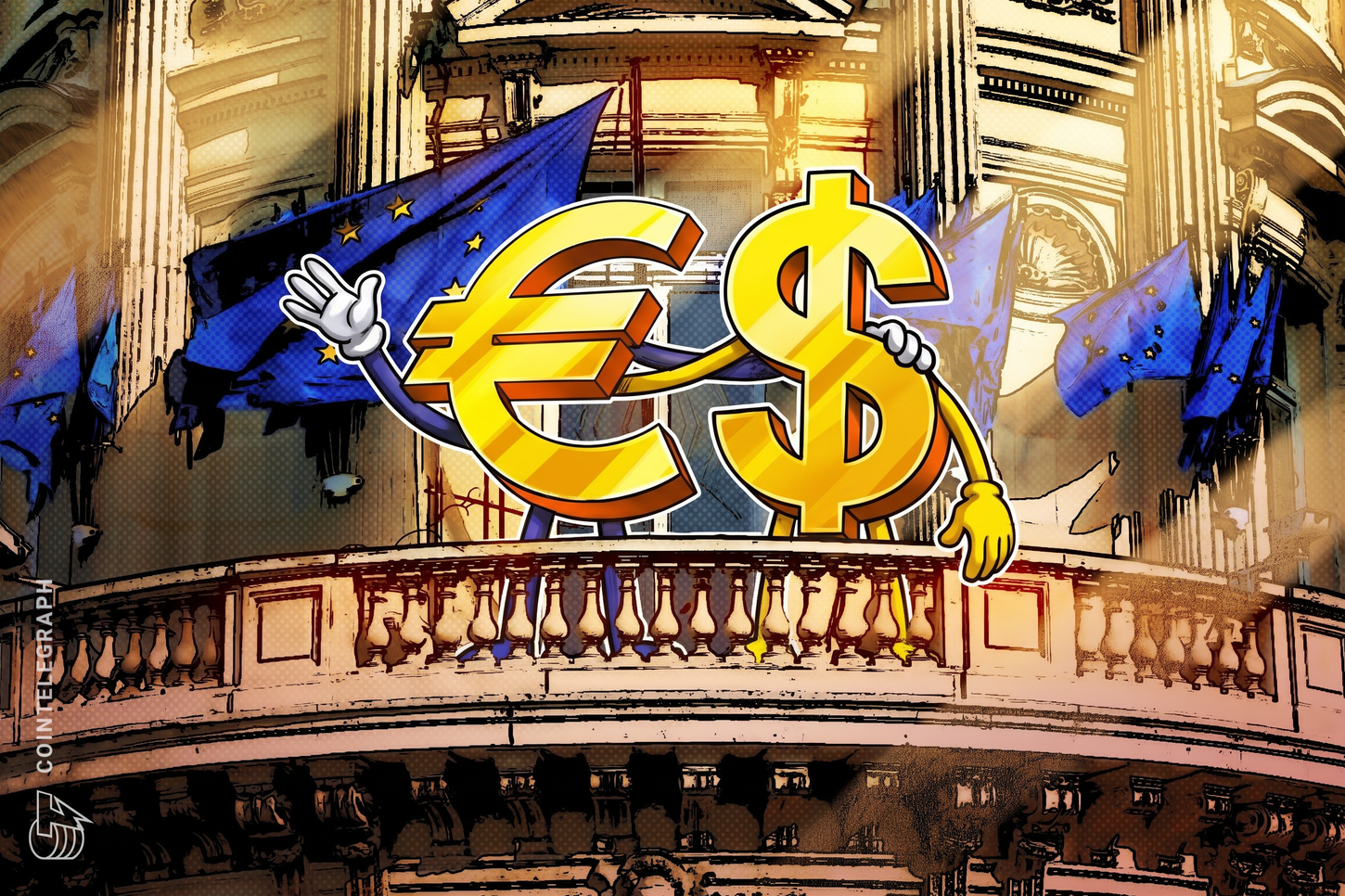
European issuers argue that euro stablecoins alone can't meet business demand for dollar liquidity. Here's why USD tokens are becoming essential for global payments and what it means for investors.
European stablecoin issuers are making a surprising argument: the euro alone won't cut it. As businesses scramble for dollar liquidity to handle global payments, the demand for USD-backed tokens is becoming impossible to ignore. This shift has big implications for anyone watching the crypto and investing space—especially beginners trying to make sense of it all.
### The Dollar's Grip on Global Trade
Here's the thing: most international trade is still done in dollars. Whether you're a manufacturer in Germany or a tech startup in Estonia, if you're paying a supplier in Asia or getting paid by a client in the US, you're likely dealing in USD. That's just how the global economy works right now.
So when European companies look for stablecoins, they're not just looking for a digital euro. They need dollar-pegged tokens to move money quickly and cheaply across borders. Euro stablecoins are great for local transactions, but they don't solve the dollar problem.
> "The euro stablecoin isn't enough," one EU issuer put it bluntly. "Our clients need dollars, and they need them now."
### Why This Matters for Beginners
If you're new to crypto or investing, this might sound like inside baseball. But it's actually a big deal. Here's why:
- **Liquidity matters**: Dollar stablecoins like USDC and USDT are the most liquid digital assets out there. They're used in almost every crypto trade, and having easy access to them makes markets smoother.
- **Payment efficiency**: Sending dollars via traditional banks can take days and cost a fortune. Stablecoins settle in minutes for pennies.
- **Investment opportunities**: As more institutions adopt stablecoins, the entire crypto ecosystem becomes more stable and attractive to everyday investors.
### The European Dilemma
European regulators have been pushing for a digital euro and euro-backed stablecoins. They want to reduce dependence on the US dollar and keep monetary sovereignty intact. But there's a catch: if they block dollar stablecoins, businesses will just find workarounds. That could push activity offshore and leave Europe behind.
Issuers argue that embracing both euro and dollar tokens is the pragmatic move. It gives businesses what they need while keeping oversight. And let's face it—crypto doesn't respect borders. Trying to wall off dollar demand is like trying to hold back the tide.
### What This Means for US Investors
For Americans, this trend is a double-edged sword. On one hand, it reinforces the dollar's dominance in global finance, which is generally good for US assets. On the other hand, it means more competition in the stablecoin space, which could lead to better products and lower fees.
If you're just starting out, keep an eye on how European regulations evolve. They often set the tone for other regions. And remember: stablecoins are a tool, not an investment. They're meant to hold value, not grow it.
### The Bottom Line
Europe's stablecoin debate is a microcosm of a larger truth: the world runs on dollars, and crypto is no exception. For beginners, the takeaway is simple—understand the role of stablecoins, follow the regulatory shifts, and don't underestimate the power of liquidity. The more you know, the better you'll navigate this wild world of digital finance.
So next time you hear about euro stablecoins, remember: it's not about choosing sides. It's about recognizing that dollars still rule, and smart players adapt.