The CLARITY Act Just Stalled — Here's What That Means for Crypto
Jeroen Vermeer ·
Listen to this article~4 min
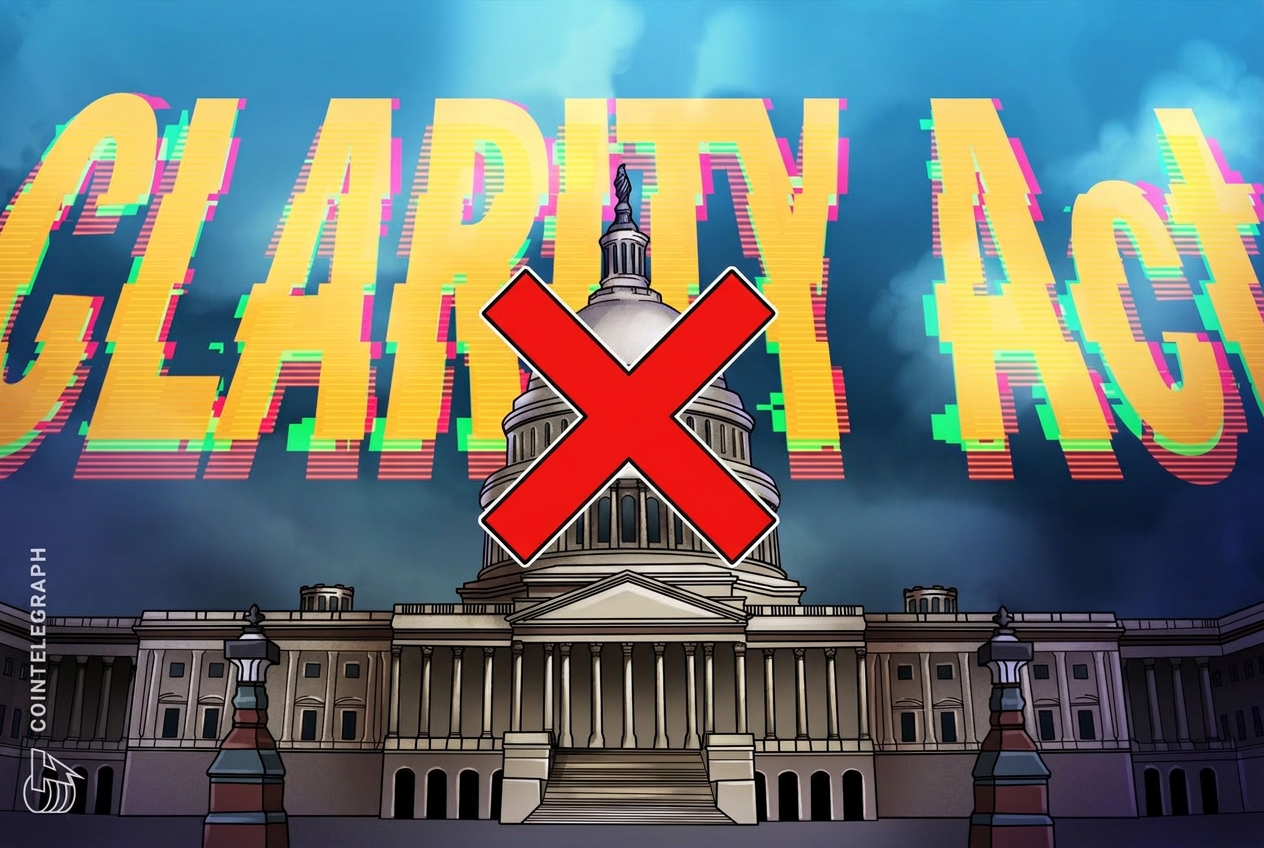
The CLARITY Act just hit a major roadblock in the Senate. Here's what that means for crypto investors and why it's not the end of the story.
The US Senate just did something that caught a lot of people off guard. In a procedural vote, lawmakers failed to move the CLARITY Act forward. If you've been following crypto regulation even a little, you know this bill was supposed to bring some serious clarity to the wild west of digital assets. And now? It's stuck in limbo.
Let's break down what actually happened, why it matters, and what it could mean for everyday investors — especially if you're just getting started with stocks or crypto.
### What Exactly Is the CLARITY Act?
The CLARITY Act — short for something like "Crypto Legal and Regulatory Innovation Through Yielding" (the name has been tweaked a few times) — was designed to do one big thing: give clear rules for how crypto should be regulated in the US.
Right now, the big question is whether crypto tokens are securities (like stocks) or commodities (like gold). The SEC and CFTC have been fighting over this for years, and it's created a mess of lawsuits and confusion. The CLARITY Act aimed to settle that debate.
But it also included provisions about ethics — you know, making sure regulators and lawmakers don't have conflicts of interest when they're writing the rules. That part turned out to be a sticking point.
### Why Did the Vote Fail?
Here's where it gets a little wonky. The Senate needed 60 votes to move forward with debate. It didn't get them. This wasn't a vote on the bill itself — it was a vote on whether to even start talking about it. And that failed.
Why? A few reasons:
- **Partisan gridlock:** Democrats and Republicans couldn't agree on the ethics provisions. Some wanted stricter rules for officials with crypto holdings; others called it a distraction.
- **Lobbying pressure:** Both the crypto industry and traditional finance groups have been spending millions to shape this bill. That created a lot of behind-the-scenes tension.
- **Election-year politics:** With midterms looming, nobody wanted to hand the other side a win.
As one Senate aide put it (off the record): *"This bill became a piñata. Everyone wanted to take a swing, but nobody wanted to actually open it."*
### What Does This Mean for You?
If you're an investor — especially a beginner — this might feel like a big deal. But let's keep it in perspective.
First, the CLARITY Act isn't dead. It's just stalled. Lawmakers can bring it back up later, and they probably will. The pressure to regulate crypto isn't going away.
Second, the lack of regulation doesn't mean chaos. The SEC is still suing exchanges. States are still passing their own rules. And the IRS still wants its cut. So you can't just ignore the legal side of things.
Third, this is actually a good reminder: don't put all your eggs in one regulatory basket. Whether you're trading stocks or crypto, diversification matters. And so does staying informed.
### So What Should You Do Now?
If you're new to investing, here's a simple checklist:
- **Stick to reputable platforms.** Whether it's a brokerage or a crypto exchange, make sure it's registered and has a track record.
- **Keep records.** Every trade, every transfer. The IRS doesn't care that the rules are murky.
- **Don't chase hype.** The CLARITY Act news might make some coins spike or drop, but that's noise. Focus on long-term goals.
- **Follow the money.** If you want to know where regulation is heading, watch what big banks and institutional investors are doing. They're not waiting for Congress.
### The Bottom Line
The CLARITY Act's failure to advance is a setback for clear crypto rules — but it's not the end of the story. Regulation is coming, one way or another. In the meantime, your best bet is to stay educated, stay diversified, and don't let political drama dictate your portfolio.
Got questions about how this affects your investments? That's what we're here for. Keep an eye on the Senate — this bill isn't going away quietly.