CFTC's Next Move: Crypto Regulation After CLARITY?
Eleanor Vance ·
Listen to this article~4 min
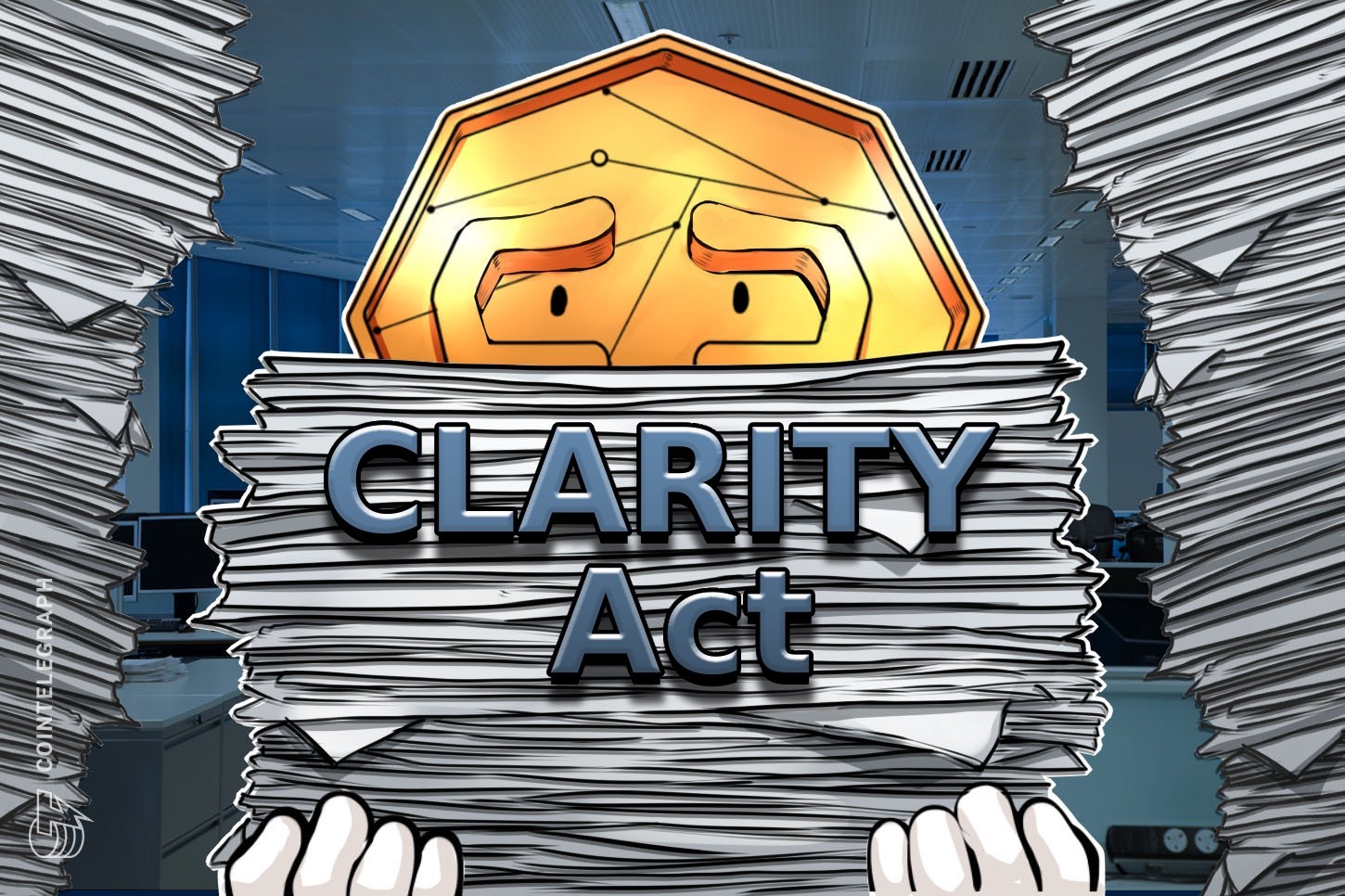
CFTC Chair Michael Selig has directed staff to explore developer protections and other crypto policies, signaling a potential shift towards direct regulation if the current "CLARITY" approach proves insufficient. This move could bring increased stability and consumer protection to the crypto market.
You know, sometimes it feels like the world of crypto is moving at warp speed, and regulation is trying to catch up in a bicycle. Well, it looks like the Commodity Futures Trading Commission (CFTC) is really trying to keep pace. Michael Selig, the CFTC chair, recently spoke at a meeting of the Innovation Advisory Committee, and what he said really caught my attention. It suggests a potential shift in how we might see crypto handled in the future.
He mentioned that he's actually directed his staff at the CFTC to start looking into some pretty important stuff. We're talking about developer protections and other policies related to crypto. This isn't just a casual chat; it's a clear signal that they're taking this seriously. It implies that if their current approach, which they call 'CLARITY,' doesn't quite hit the mark, they're ready to step in with more direct regulations. It's like saying, "We're hoping you'll figure it out, but if not, we've got a plan B."
### Why Developer Protections Matter
When we talk about developer protections in crypto, it's not just some technical jargon. Think about it: developers are the ones building the decentralized applications (dApps), the smart contracts, and the underlying infrastructure that makes the crypto world tick. If they're operating in a legal gray area, or if there's no clear framework for what they can and can't do, it stifles innovation. It's like trying to build a skyscraper without knowing if the ground you're building on is stable.
Clear guidelines can actually be a good thing for the industry. It can attract more talent, encourage more robust projects, and ultimately, protect users. Without these protections, developers might shy away from groundbreaking work, fearing legal repercussions. And that's something no one wants, especially not in an industry that thrives on innovation.
### The 'CLARITY' Approach and Its Potential Shortcomings
The CFTC's existing 'CLARITY' initiative is all about providing guidance and encouraging innovation within the existing regulatory framework. It's a hands-off approach, hoping that the industry will mature and self-regulate. But what if it doesn't? That's the big question here. Selig's comments suggest a growing concern that 'CLARITY' might not be enough to address all the complexities and risks that come with a rapidly evolving market like crypto.
It's a bit like parenting, isn't it? You give your kids some freedom, hoping they'll make good choices. But sometimes, you have to step in and set some boundaries for their own good. The CFTC seems to be preparing for that 'stepping in' moment. They're acknowledging that while freedom is great, some structure might be necessary to prevent potential issues down the line.
### What Could This Mean for Investors and Traders?
If the CFTC does move forward with more direct crypto regulation, what does that mean for you, the investor or trader? Well, it could bring a few things:
* **Increased Stability:** More regulation might lead to a more stable market, as clearer rules could reduce speculative bubbles and fraudulent activities.
* **Enhanced Consumer Protection:** Regulations often come with safeguards for consumers. This could mean better protection against scams and hacks, giving you more peace of mind.
* **Potential for Mainstream Adoption:** With clearer rules, more traditional financial institutions might feel comfortable entering the crypto space, leading to wider adoption and liquidity.
* **Challenges for Decentralization:** On the flip side, some argue that heavy regulation could go against the core tenets of decentralization that crypto was built upon. It's a delicate balance.
It's a really important conversation, and it highlights the ongoing tension between innovation and regulation. The CFTC isn't just sitting back; they're actively exploring how to navigate this new financial frontier. It's something we'll all need to keep an eye on, as it could significantly shape the future of crypto in the United States and beyond.