How Your Bitcoin Could Finally Help You Buy a House
Sarah Davis ·
Listen to this article~6 min
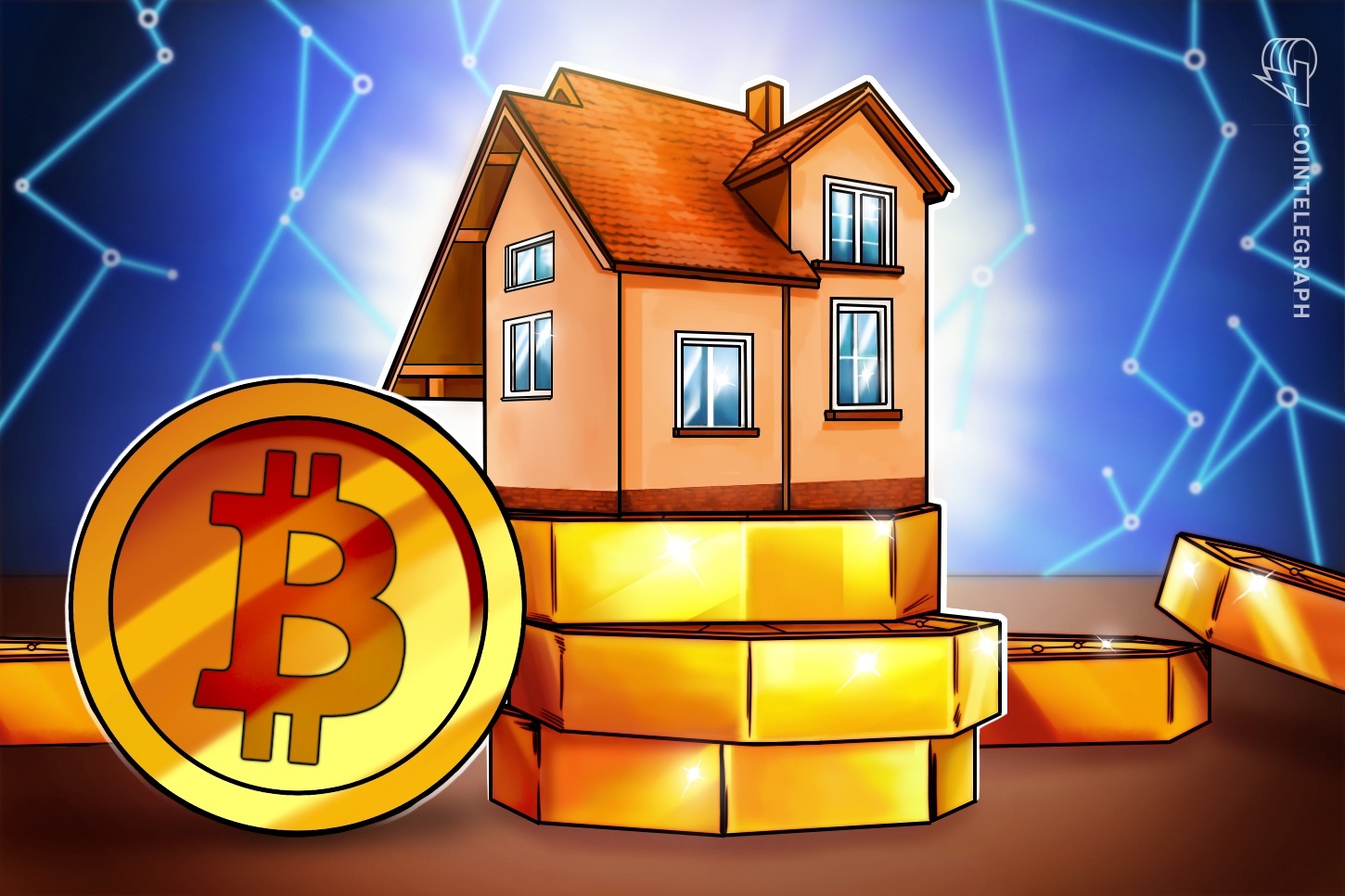
Better and Coinbase now let US homebuyers use Bitcoin as collateral for mortgage down payments without selling their crypto. This bridges digital assets and traditional home buying.
You've been watching that Bitcoin investment grow for years. Maybe you bought in early, or perhaps you've been accumulating slowly. But when you look at real estate prices, you wonder – do I have to sell my crypto to get into the housing market? A new partnership might change that entire equation.
Better, the digital mortgage lender, and Coinbase, the cryptocurrency exchange, just unveiled something that could reshape how Americans think about homeownership. They've launched a crypto-backed mortgage product that allows homebuyers to use Bitcoin as collateral for their down payment. The crucial part? You don't have to sell a single satoshi.
It feels like a bridge between two worlds that have often seemed miles apart. On one side, you have the traditional, often slow-moving world of real estate finance. On the other, the fast-paced, volatile world of cryptocurrency. This product attempts to connect them.
### How the Bitcoin-Backed Mortgage Actually Works
Let's break it down simply. Imagine you want to buy a $500,000 home and need a 20% down payment – that's $100,000. Traditionally, you'd need that cash in your bank account. With this new option, if you own enough Bitcoin, you could pledge it as collateral instead.
The lender essentially holds a lien on your Bitcoin while you get the mortgage. You still own the crypto, it's just serving as your security deposit. If the value of Bitcoin drops significantly, you might need to add more collateral, similar to how a margin call works in investing.
It's important to understand this isn't a loan against your Bitcoin to get cash for a down payment. It's integrated directly into the mortgage process with Better. You apply through their normal channels, but you have this additional collateral option available.
### The Potential Benefits for Crypto Holders
Why would someone choose this route? A few reasons stand out immediately:
- **Avoiding Capital Gains Taxes**: Selling a large amount of Bitcoin could trigger a significant tax bill. By using it as collateral instead, you potentially defer those taxes indefinitely.
- **Maintaining Crypto Exposure**: Many believers in Bitcoin think its long-term value will continue to rise. This lets you keep your position while still accessing its value for a major life purchase.
- **Liquidity Without Sale**: It unlocks the value of an otherwise illiquid asset for a specific, tangible goal.
There's a psychological factor too. For people who have watched their crypto portfolio swing wildly, using it to secure something as stable as a home can feel like finally planting a flag.
### The Risks and Important Considerations
Now, let's talk about the other side of the coin – because nothing this innovative comes without caveats. Cryptocurrency is notoriously volatile. The value of your collateral could drop 20% in a week. What happens then?
You'd likely face a collateral call, requiring you to either add more Bitcoin or convert to a traditional down payment. It adds a layer of financial complexity and potential stress during an already stressful process.
Interest rates on these products may also differ from standard mortgages. Lenders are taking on additional risk by accepting a volatile asset as collateral, and that risk is often reflected in the terms.
As one industry observer noted, "This isn't for the faint of heart. It's for the crypto-native who understands the swings and has a solid financial plan beyond their digital assets."
### Who Is This Really For?
This product feels tailored for a specific profile:
- Individuals with substantial crypto holdings but limited traditional cash savings.
- Long-term Bitcoin believers who don't want to exit their position.
- Those in high tax brackets who want to avoid capital gains events.
- Financially sophisticated buyers who understand leverage and collateral risks.
It's probably not the right fit for someone buying their first home with minimal emergency savings, or for anyone uncomfortable with the inherent unpredictability of cryptocurrency markets.
The housing market itself adds another layer. In a competitive bidding situation, a mortgage with this structure might be less attractive to a seller than a traditional cash offer or conventional loan. It's a new variable in an already complex process.
### The Bigger Picture for Finance
What's fascinating here is the convergence. Traditional finance and decentralized finance are starting to build actual bridges. Products like this could become more common as cryptocurrency moves further into the mainstream.
We might see more assets accepted as collateral – other cryptocurrencies, NFTs, or digital assets we haven't even imagined yet. The definition of "wealth" for lending purposes is expanding.
For now, if you're sitting on crypto gains and dreaming of a backyard, this option warrants a serious look. Just make sure you understand the terrain before you start building. Talk to a financial advisor who gets both real estate and crypto. Run the numbers for both this path and the traditional sell-and-buy path.
Sometimes innovation gives us exciting new tools. Our job is to figure out whether they're the right tools for building our particular future.