Banks Are Quietly Taking Over Crypto — Here's What That Means for You
Robert Davis ·
Listen to this article~4 min
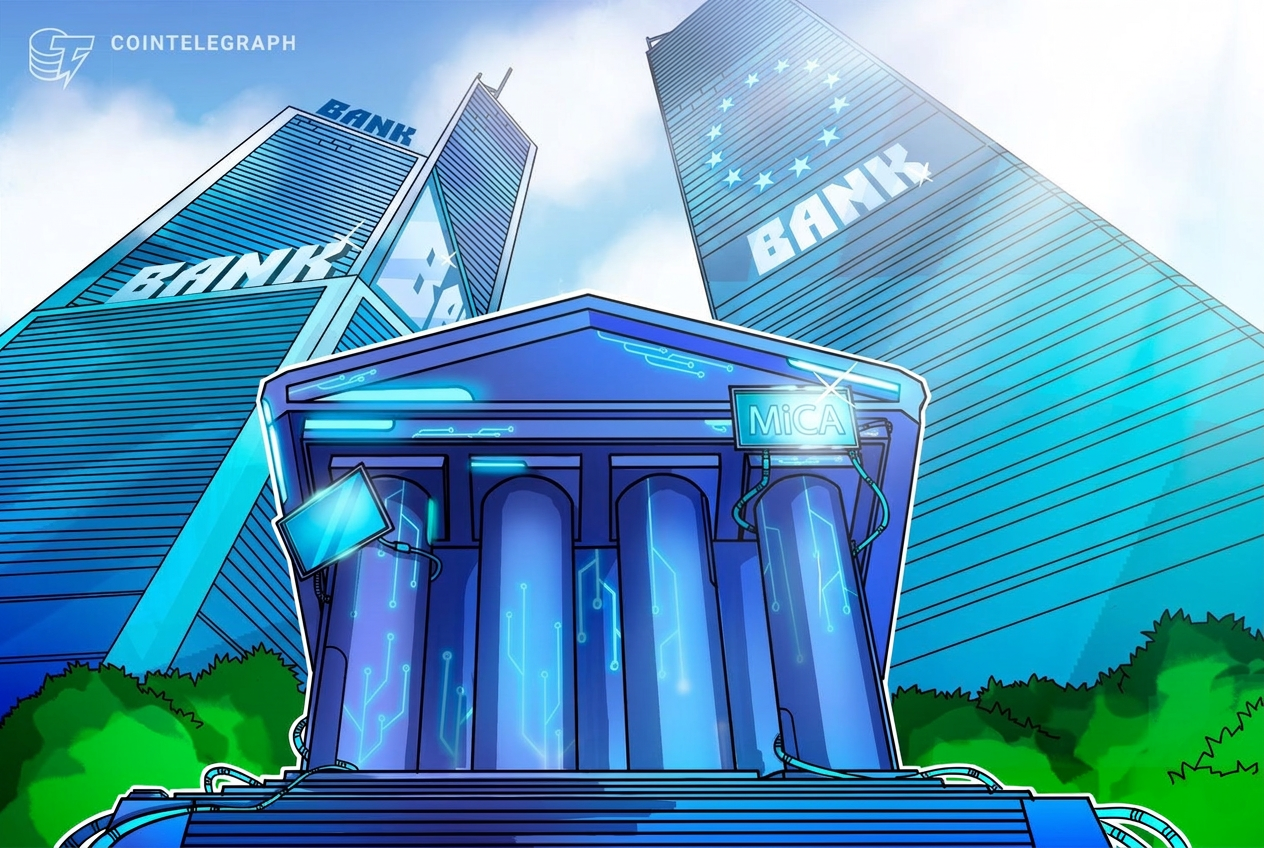
Banks now make up 23% of ESMA's MiCA crypto register after doubling since June. Here's what this quiet shift means for beginner investors and traders.
### The Surprise Nobody Saw Coming
Remember when everyone said banks would never touch crypto? Yeah, that aged poorly. According to the European Securities and Markets Authority (ESMA), banks now make up nearly a quarter — 23% — of all providers on the MiCA register. That's up from just a sliver back in late June. They doubled their presence in a matter of months.
Let that sink in for a second. The same institutions that once called Bitcoin a fad are now lining up to get licensed under Europe's new crypto rulebook. It's like your grandpa suddenly showing up to a rave — unexpected, a little awkward, but you can't look away.
So what's going on? And more importantly, what does it mean if you're just starting to dip your toes into investing, trading, or crypto?
### Why Banks Are Suddenly Crypto's Biggest Fans
It's not complicated. Money talks.
MiCA — the Markets in Crypto-Assets regulation — gives banks a clear legal path to offer crypto services across the EU. Before this, they were stuck in a gray zone. Now they can custody digital assets, offer crypto trading, and roll out tokenized products without worrying about regulators breathing down their necks.
And here's the kicker: banks have something crypto exchanges don't — trust. Not the blind kind, but the boring, institutional kind that comes from decades of regulation. When your bank offers you a Bitcoin ETF or a tokenized bond, you don't have to wonder if it's a scam. That's a massive deal for everyday investors.
> "The banks aren't coming for crypto. They're already here — and they brought the rulebook."
### What This Means for Beginners in the UAE and Beyond
If you're in the UAE or the US and thinking about getting into investing, this shift matters. Here's why:
- **More options, less guesswork.** When banks enter a market, they tend to offer simpler, packaged products. Think crypto exposure through your regular brokerage account instead of a sketchy offshore exchange.
- **Lower fees over time.** Competition is good. As banks and fintechs battle it out, you'll likely see cheaper trading and better spreads.
- **Regulation isn't the enemy.** MiCA-style rules give you legal recourse. If something goes wrong, you're not just shouting into the void.
But don't get too comfortable. Banks are still banks. They'll charge fees, move slowly, and probably offer you a crypto product that's 80% marketing and 20% substance. Your job is to read the fine print — always.
### The Bigger Picture: Crypto Is Growing Up
This isn't just a European story. It's a signal. When banks double down on crypto, they're telling the world that digital assets aren't going anywhere. They're becoming part of the financial furniture.
For beginners, that's actually good news. It means you don't have to be a tech wizard or a degen trader to participate. You can start small, learn as you go, and use tools that feel familiar — like your bank's app or a regulated broker.
Just remember: easy access doesn't mean zero risk. Crypto still swings wildly. Banks won't change that. They'll just make it easier to join the ride.
### Your Takeaway
The MiCA register tells a simple story: banks see crypto as the future, and they're positioning themselves accordingly. If you're a beginner investor — whether in Dubai, Abu Dhabi, or Dallas — this is your cue to pay attention. Not to FOMO in, but to get educated.
Start with the basics. Understand what you're buying. And keep an eye on how traditional finance and crypto keep merging. Because the line between them? It's getting blurrier by the day.