Balaji's Farcaster Vision: Bans First, Then a Polite Social Media Utopia
Michael Miller ·
Listen to this article~3 min
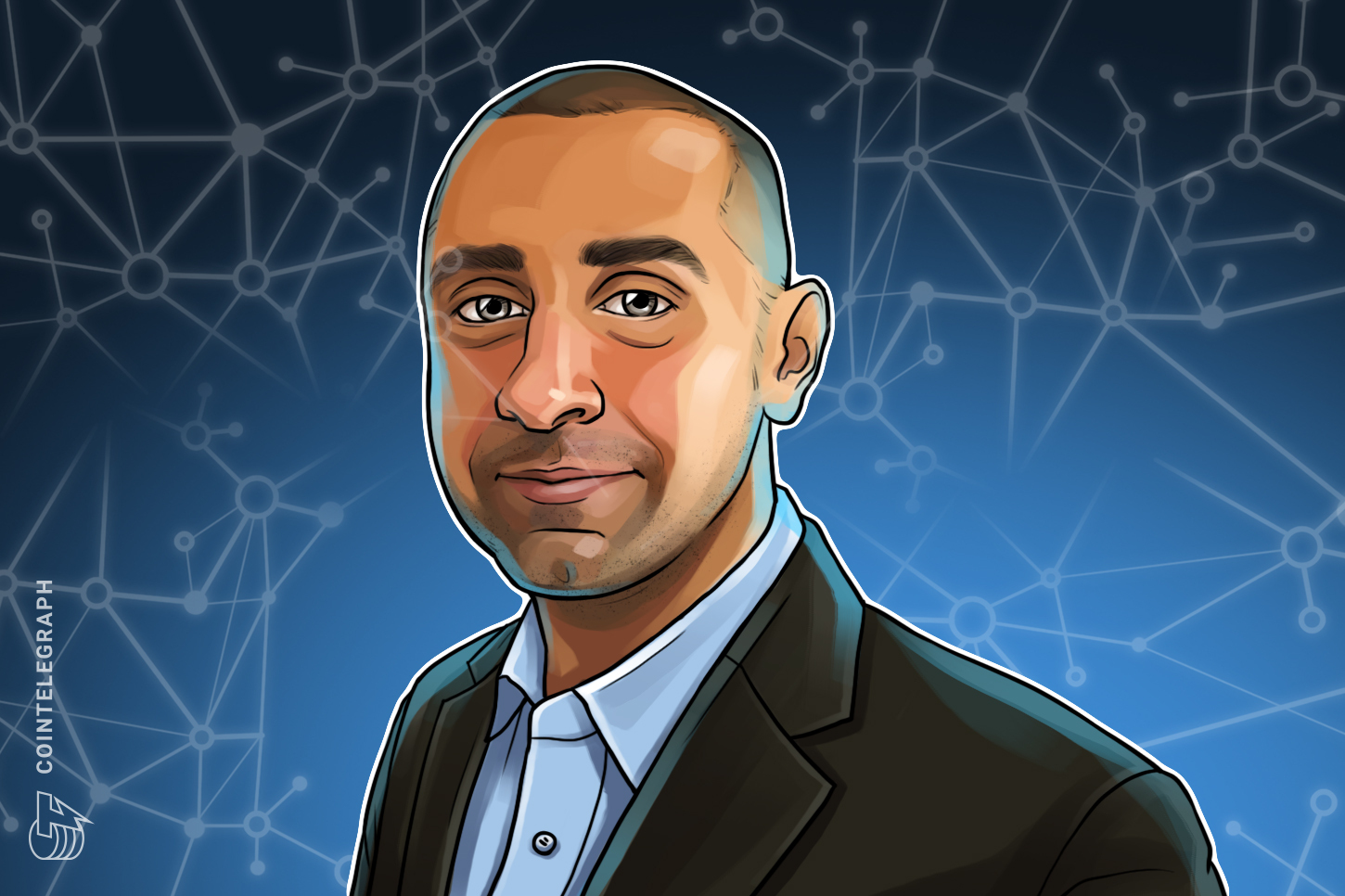
Balaji Srinivasan is turning Farcaster into a 'Singapore of social media'—starting with a wave of bans. Here's what that means for users and investors.
Balaji Srinivasan has a big idea: turn Farcaster into a "Singapore of social media"—a place where well-mannered techno-optimists can thrive. But before the utopia, there's housekeeping. And that housekeeping comes in the form of a wave of bans.
### The Cleanup Crew
Srinivasan, the founder of Network School, isn't shy about curating his digital neighborhood. In recent weeks, he's been on a blocking spree, removing accounts that don't align with his vision. It's not about silencing dissent; it's about setting a tone. Think of it as weeding the garden before planting the flowers.
But why Farcaster? For the uninitiated, Farcaster is a decentralized social network that's been gaining traction among crypto enthusiasts. It's like Twitter, but with less noise and more substance—at least, that's the pitch. Srinivasan sees it as the perfect soil for his experiment.
### Why 'Singapore'?
Singapore is known for its strict laws, clean streets, and efficient governance. It's a place where order and prosperity go hand in hand. Srinivasan wants to replicate that vibe online: a community that's polite, productive, and optimistic about technology. No trolls, no spam, just good vibes and great ideas.
But here's the catch: to build that, you need rules. And to enforce rules, you need to show people the door when they break them. Hence, the bans.
### The Bans: Who's Out?
While Srinivasan hasn't published a list, the banned accounts reportedly include those spreading negativity, engaging in harassment, or just being generally unpleasant. It's a subjective process, and that's the point. This isn't a free-for-all; it's a curated space.
> "You can't have a productive conversation if half the room is shouting," Srinivasan said in a recent post. "We're just turning down the volume."
That philosophy might rub some the wrong way. After all, social media is built on the idea of open discourse. But Srinivasan argues that open doesn't mean chaotic. He's aiming for a higher standard—one where disagreement is fine, but disrespect isn't.
### What This Means for Users
If you're on Farcaster or thinking of joining, expect a different culture. It's not about going viral; it's about going valuable. The platform rewards thoughtful contributions and penalizes bad behavior. It's a shift from engagement metrics to community metrics.
And for investors? This experiment is worth watching. If Srinivasan can pull it off, it could prove that decentralized social media can be both civil and scalable. That's a big if, but the potential is huge.
### The Road Ahead
Srinivasan's vision is ambitious, and the bans are just the beginning. He's planning to introduce features that encourage positive interactions, like reputation scores and community moderation. The goal is to create a self-policing ecosystem where good behavior is the norm.
Will it work? Only time will tell. But one thing's for sure: Srinivasan isn't afraid to make tough calls. And in the wild west of social media, that might be exactly what we need.
So, if you're looking for a social network that feels more like a country club and less like a food fight, Farcaster might be your new home. Just mind your manners—or you might find yourself on the outside looking in.