5 Ledger Alternatives That Could Safeguard Your Bitcoin
Jennifer Davis ·
Listen to this article~4 min
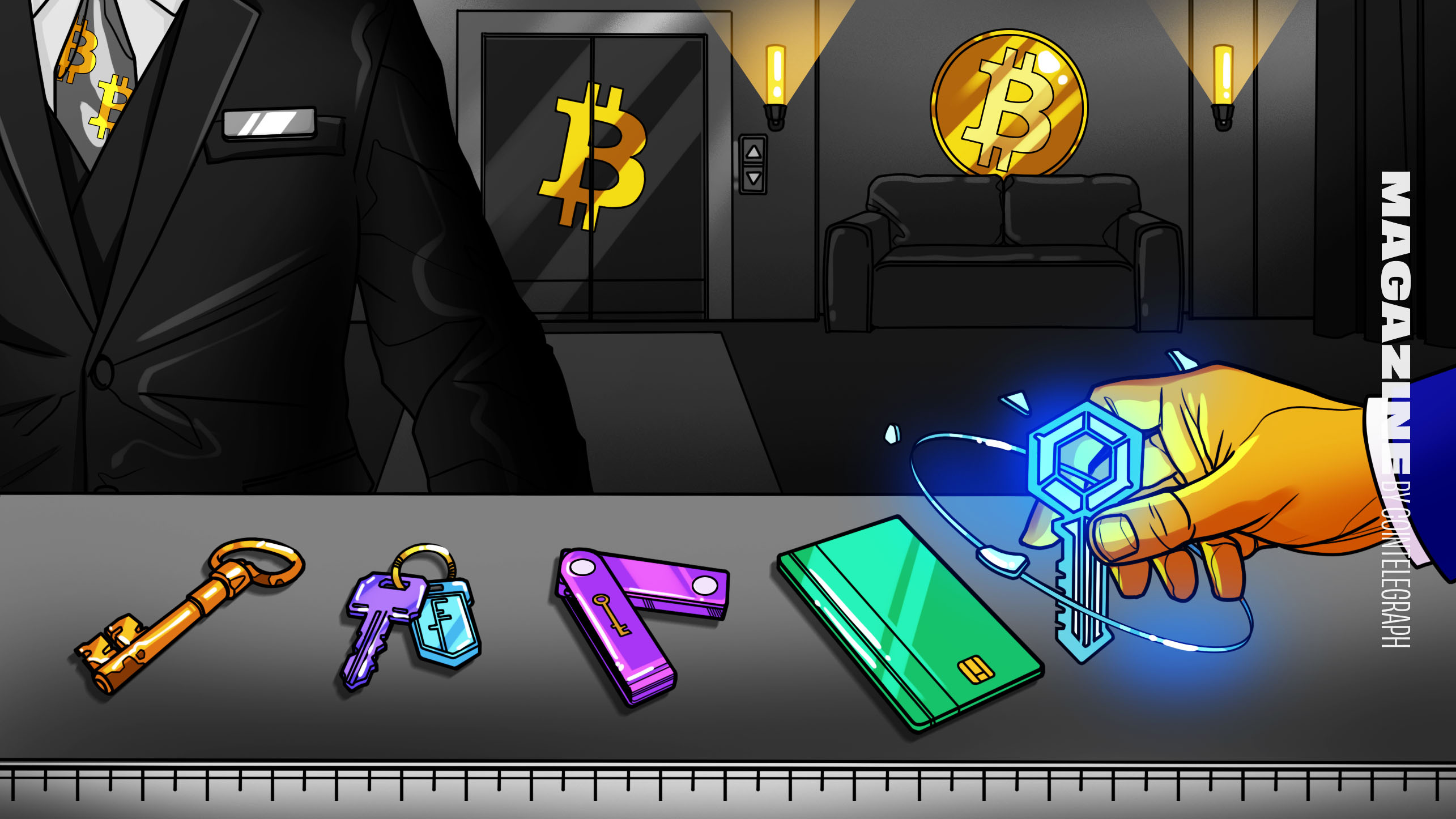
Hardware wallets aren't the only way to protect your crypto. From ETFs to passkeys to multisig, explore five Ledger alternatives and their trade-offs.
So you've got some Bitcoin and you're wondering if a Ledger is the only way to keep it safe. Good news: it's not. There are several alternatives, each with its own set of pros and cons. Let's walk through five options that might fit your style better.
### 1. Bitcoin ETFs: The Hands-Off Approach
If you're in the US, you've probably heard about Bitcoin ETFs. These are funds that hold Bitcoin, and you can buy shares through your regular brokerage account. It's like owning gold without having to store physical bars in your basement.
The upside? Super simple. No need to manage private keys or worry about losing a hardware wallet. But here's the catch: you don't actually own the Bitcoin. You own a piece of paper that says you own a piece of a fund that owns Bitcoin. And you're trusting the fund manager to do the right thing.
### 2. Passkeys: The Future of Login Security
Passkeys are a new way to log in without passwords. They use biometrics or a PIN to authenticate you, and they're phishing-resistant. Some crypto services are starting to support passkeys for account access.
Think of it like using Face ID to unlock your exchange account. It's convenient and more secure than a password. However, passkeys are still tied to your device and the service you're using. If you lose your device or the service goes down, you might have a headache.
### 3. Multisig Accounts: Shared Control
Multisig (multiple signatures) requires more than one key to authorize a transaction. It's like having a safe that needs two keys to open. This is great for businesses or families who want shared control over funds.
Setting up a multisig wallet can be more complex, but it adds a layer of security. You're not relying on a single point of failure. Just be prepared to manage multiple keys and coordinate with other signers.
### 4. Mobile Wallets: Convenience in Your Pocket
Mobile wallets are apps on your phone that store your private keys. They're easy to use and great for small amounts. Think of it as your everyday spending wallet.
But remember: your phone is connected to the internet, which makes it more vulnerable to hacks. Use a reputable wallet app and enable all security features. And don't store large amounts on your phone.
### 5. Paper Wallets: Old School but Effective
A paper wallet is simply a piece of paper with your private key printed on it. It's offline, so it's safe from online threats. But paper can be lost, damaged, or stolen. And if you lose it, your Bitcoin is gone.
If you go this route, make sure to store it in a safe place, like a fireproof safe. And consider making multiple copies.
> "The best wallet is the one that fits your lifestyle and risk tolerance. There's no one-size-fits-all solution."
### The Bottom Line
Ledger is a solid choice, but it's not the only one. Whether you prefer the simplicity of ETFs, the security of multisig, or the convenience of mobile wallets, there's an option for you. Just remember: with any method, do your research and understand the risks. Your Bitcoin is only as safe as the choices you make.